Self Service

5 Best Sports Club Management Software: Features, Pricing & Reviews

« Blog | Written by Stefano Tromba | | (0) Comments

Most sports clubs run into the same problem as they grow: the admin keeps expanding while the systems stay the same. Schedules change, payments need tracking, members want quick updates, and staff need one place to see what’s happening. 

When everything lives in different tools, the workload piles up, and small issues start slowing the whole club down.

In this article, we’ve listed the best sports club management software based on features, pricing, and reviews from real users. You’ll find a clear breakdown of how each tool works, what it does well, where it may fall short, and which types of clubs it suits best.

But first, a quick overview of what we evaluated and how these tools compare.

Top 5 Sports Club Management Software Overview

Best Sports Club Management SoftwareBest for PricingG2 ratings
EZFacilitySmall to midsize gyms, sports clubs, and multi-sport facilities that want an all-in-one system for scheduling, memberships, payments, leagues, rentals, and staff managementInquire for custom plans4.4 / 5
VirtualgymGyms, studios, personal trainers, and corporate wellness programsNot publicly disclosed4.4 / 5
Zen PlannerBoutique fitness studios and martial arts schools Starts at $99/month4.3 / 5
TeamUpclass-based clubs and studios like fitness, martial arts, yoga/Pilates, and kids’ activity programs$104/month for 0-100 active customers4.6/5
MindbodyFitness studios and gyms As high as $699+ per location/month3.6/5

1. EZFacility: Best all-in-one platform for multi-sport clubs and facilities

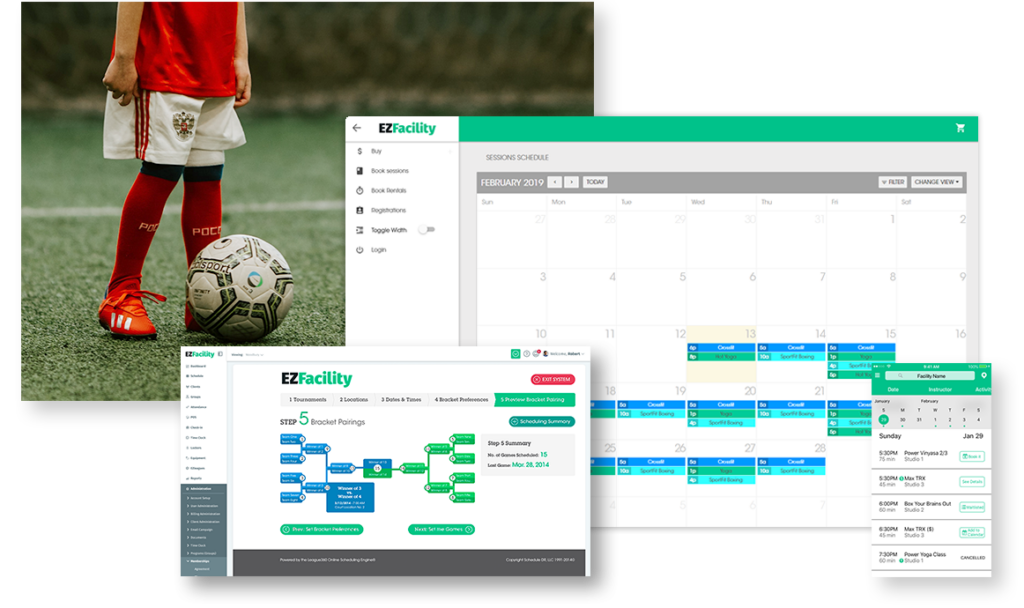
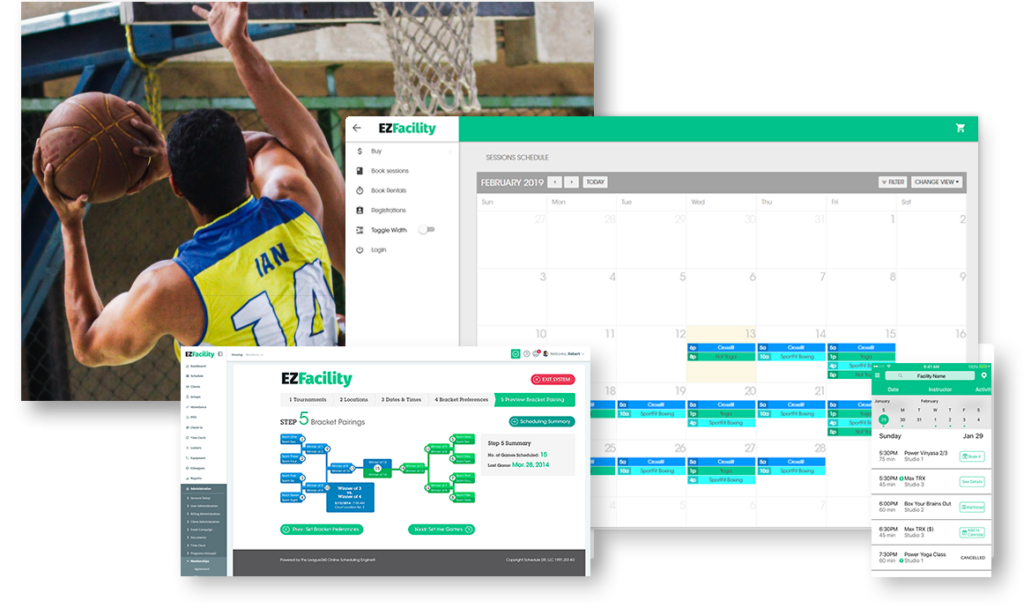
EZFacility is an all-in-one sports club and facility management platform built to centralize daily operations for gyms, studios, multi-sport venues, and training programs. It brings scheduling, memberships, bookings, POS, online registration, waivers, billing, communication, and reporting into one cloud-based system. 

Sports clubs use EZFacility for class and trainer scheduling, league and field management, rentals, camps and clinics, staff coordination, and member self-service through an online portal. 

With built-in email/SMS, a branded mobile app, resource calendars, payroll and commission tracking, and a wide reporting suite, it’s designed to streamline admin and make day-to-day club management more consistent.

ProsCons
✅ Easy to use❌ Pricing not listed publicly; requires contacting sales
✅ Reliable data storage 
✅ All-in-one platform (scheduling, POS, leagues, registrations) 
✅ Useful self-service portal for members 

Pricing

EZFacility uses a custom quote model based on the size of your facility, the features you select, and any add-ons like the branded mobile app. You can inquire directly through the pricing page to get an accurate estimate for your setup.

2. Virtuagym: Best for gyms and health clubs

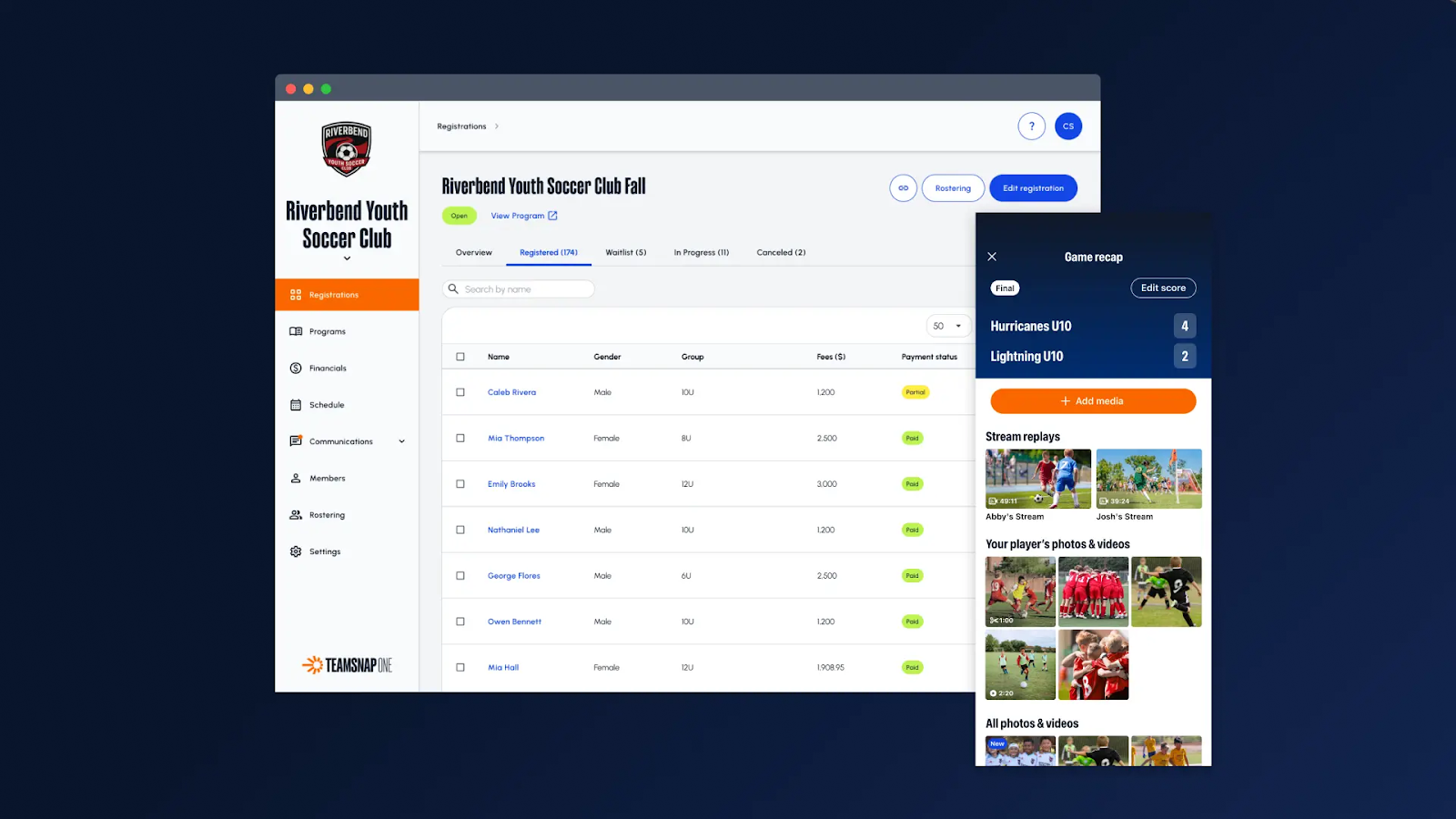
Virtuagym is a fitness and wellness management platform that helps gyms, studios, and personal trainers run their operations and deliver digital coaching in one place. 

Businesses use it for memberships, billing, scheduling, and client communication, while members get a branded app for training plans, nutrition tracking, and ongoing engagement. It also supports corporate wellness programs with challenges, habit tools, and analytics to monitor employee participation.

ProsCons
✅ Easy to use for both staff and members❌ Some features are available only in the app, not on the website.
✅ Wide range of features in one platform (training plans, membership, billing, community)❌ Reports of slow development on requested features or delayed responses for low-priority items
✅ Community and engagement tools (groups, challenges, goal tracking)❌ No free trial, and some users felt misled on commitments or pricing
✅ Useful self-service portal for members❌ Missing functionality users expected (e.g., Google Calendar sync) leading to frustration

Pricing 

Virtuagym does not publicly disclose its full pricing structure. Third-party listings suggest entry-level plans start at a low monthly rate, but actual pricing varies based on the feature bundles you select (management, coaching, custom apps, wellness modules), the number of clients or locations, and the level of customization required.

3. Zen Planner: Best for boutique fitness and martial arts clubs

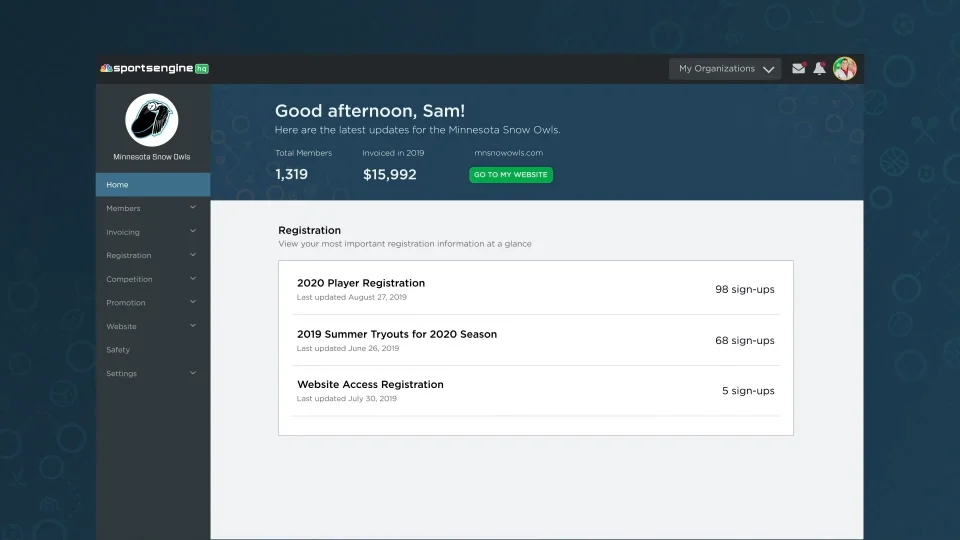
Zen Planner is a management platform built specifically for boutique studios and martial arts schools. Its strength is in handling complex memberships, class packs, family accounts, and progression-based programs. 

Studios use it to manage scheduling, billing, attendance, and retail in one system, while martial arts schools rely on its belt, rank, and skill-tracking tools to structure programs by age, discipline, and level. Members engage through a mobile app for booking, check-ins, and tracking their own progress.

ProsCons
✅ Good integrations (e.g., SugarWOD, door systems, Zoom)❌ Billing and payment workflows can be confusing or hard to access (especially in the app)
✅ Great fit for martial arts and functional fitness (belt/skill tracking, trial-class reservations)❌ Some features feel outdated or less intuitive than modern alternatives
✅ Ability to embed calendars on websites for easy trial bookings❌ Redundant or duplicated features across Studio/Ultimate/SugarWOD that cause confusion
 ❌ Managing customer credits can be difficult or unintuitive
 ❌ Occasional crashes, reloads, and stability issues across apps/platforms

Pricing

  • Zen Plannner Studio: Starting at $99/month, includes core operations like membership management, scheduling, attendance, workout tracking, and reporting.
  • Engage: $249/month adds full marketing automation, CRM tools, AI-powered campaigns, and a library of prebuilt email/SMS workflows.
  • Branded App: $39/month gives members a custom mobile app with your branding for bookings, check-ins, and engagement.
  • Website Package: $99/month, provides a customizable, SEO-ready website with built-in lead capture.
  • Payment Processing Fees Apply: Zen Planner Payments is integrated, but transactions include additional processing costs.

4. TeamUp: Best for class-based fitness facilities

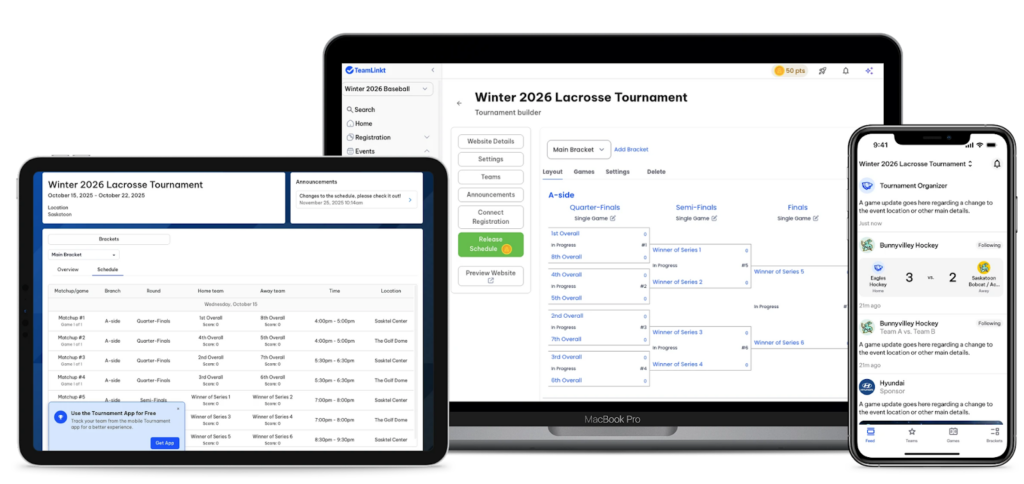
TeamUp is a class-based club management platform built for fitness studios, martial arts academies, yoga/Pilates studios, kids’ activity programs, and training clubs that run structured sessions. It focuses on the core workflows these businesses handle every day: managing memberships, building timetables, handling class registrations and waitlists, tracking attendance, and automating recurring payments. 

ProsCons
✅ Smooth setup and easy transition from other software❌ Lacks built-in patient or client notes for certain businesses
✅ Member app is simple for all ages, even tech-averse users❌ Family membership handling can feel clunky when canceling
✅ Clean calendar layout and simple navigation❌ PAYG clients can’t directly reschedule without cancel + rebook
 ❌ No SMS reminders available in some regions (e.g., Australia)

Pricing

TeamUp uses a usage-based model where your monthly cost depends on how many active customers you have. For example, businesses with 0–100 active customers pay $104/month, and the price scales gradually as your customer base grows. 

5. Mindbody: Best for fitness-focused clubs

Mindbody is a widely used fitness management platform built for yoga, Pilates, barre, HIIT, CrossFit, personal training, and hybrid fitness schedules.

It centralizes class timetables, appointment booking, client profiles, memberships/packages, payments, and check-ins, while also giving studios access to the Mindbody Marketplace, a consumer app where people search and book fitness classes in their area.

ProsCons
✅ Easy to use and generally intuitive once set up❌ Can be slow or laggy after updates; performance drops in some browsers
✅ Good reporting tools for revenue, projections, and performance❌ Complicated to set up pricing options and certain workflows
✅ Mindbody Marketplace helps attract new clients❌ Double bookings and scheduling errors reported by some studios
✅ Dynamic pricing tools and marketing add-ons available❌ Some admin tasks restricted (e.g., updating client contact info)

Pricing

Mindbody doesn’t publish full pricing on its website. Most of what’s available comes from third-party sources, with an approximate range of $129 to $699+ per location/month, making Mindbody an expensive solution as compared to other tools that help grow your business

Choose the Best Sports Club Management Software

If you’re managing fields, courts, leagues, tournaments, coaches, memberships, payments, and seasonal programs all under one roof, you need software built for real sports operations 

EZFacility helps you scale with multi-sport clubs, handles complex scheduling without chaos, supports online registrations, automates billing, and gives you the reporting and controls you need to grow.

Because a good system keeps everything running on time.

Trusted for 4.5M bookings and $460M in payments every year

See how EZFacility handles scheduling, payments, and memberships at real scale

Request a demo

Frequently Asked Questions About Best Sports Club Management Software

#1. Which software is best for multi-sport facilities?

Multi-sport facilities generally need software that can handle court and field scheduling, league and tournament management, coach/official assignments, registrations, memberships, and point-of-sale in one system. Tools built specifically for sports facilities, like EZFacility, tend to be the strongest fit because they support complex, multi-program operations rather than just class-based scheduling.

#2. How much does sports club management software cost?

Pricing varies widely by tool, number of locations, and the features you need. The fastest way to get accurate numbers is to book a demo with EZFacility and get plans tailored to your club’s size, programs, and billing requirements.

#3. What features should clubs prioritize?

Look for tools that support your workflow:

  • Facility and resource scheduling (courts, fields, trainers, equipment)
  • Memberships and recurring billing
  • Online registrations for leagues, camps, and clinics
  • Point-of-sale and payment processing
  • Attendance tracking and reporting
  • Communication tools (SMS/email)
  • Mobile access for staff and members

#4. Is there software for small clubs with simple needs?

Yes! EZFacility works for both small clubs and larger multi-sport operations. Smaller clubs typically use core scheduling, memberships, and payments, while the platform’s more advanced features stay available as they grow.

baseball-facilities-top

Grow Your Sports Club With the Right Management Software

« Blog | Written by Stefano Tromba | | (0) Comments
TL;DR: 

Managing a sports club often means juggling schedules, payments, renewals, and member communication, all while trying to grow. Sports club management software simplifies this by consolidating operations into one system. It helps clubs unlock new revenue streams, maximize facility use, retain members through better experiences, and set smarter pricing and packages. With tools for marketing, reporting, and financial visibility, managers can make informed decisions and stand out from competitors.

Managing a sports club is complex work. Every day, owners and operators juggle:

  • Dozens of class and league schedules that need constant updates
  • Parents requesting last-minute changes or refunds
  • Membership renewals that go unnoticed until it’s too late
  • Staff hours and payroll are scattered across different systems
  • Payments are delayed because invoicing is still manual

The result is lost revenue, wasted facility time, and frustrated members.

This article explores how sports club management software tackles these challenges head-on, helping clubs save time, improve member satisfaction, and unlock new opportunities for growth.

Why Sports Clubs Are Turning To Management Software

Clubs are moving away from manual tools because they create unnecessary costs and roadblocks. Management software addresses these challenges in ways that directly support growth:

  • Eliminates scheduling conflicts: Centralized calendars prevent double bookings and ensure facilities are used to their full capacity
  • Improves cash flow: Automated billing and payment reminders reduce late fees, missed renewals, and manual chasing
  • Retains more members: Easy sign-ups, mobile access, and timely communication keep people engaged and less likely to drop off
  • Provides clear business insights: Attendance, revenue, and utilization reports show what’s working and where to adjust

6 Ways Sports Club Management Software Grows Your Business

From creating new revenue opportunities to improving retention and financial decision-making, here are six ways the right platform helps your club move forward.

1. Unlocks New Revenue Streams

For most sports clubs, revenue starts with memberships and class fees. But growth often requires looking beyond those core offerings. Clubs can generate additional income through facility rentals, seasonal camps, private training sessions, merchandise sales, and even sponsorship opportunities.

The challenge is that managing these extras manually, such as tracking bookings, collecting payments, and monitoring inventory, quickly becomes overwhelming.

A sports club management software like EZFacility includes features designed for exactly this:

  • Rentals and special events: You can rent out facility space (courts, rooms, fields) or host special events. The system lets you track availability, set custom rates, generate invoices, and manage all associated billing.
  • Point of sale (POS) and inventory management: Sell merchandise, equipment, or other products both in person and online. EZFacility helps you monitor stock levels, set reorder alerts, categorize inventory, and get reports on product profitability.
  • Self-service and online rentals: Clients can book rentals or special event spaces themselves via an online portal. Rates, availability, and invoices are handled through the software, which reduces friction and increases the likelihood of getting rentals.
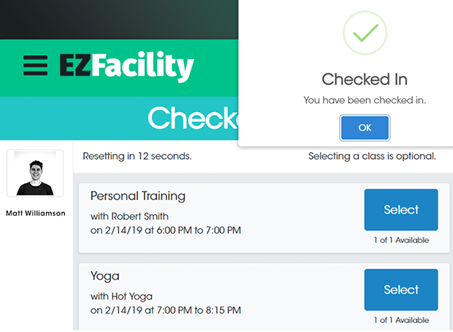
Check-In Software

2. Maximizes Facility Utilization

One of the biggest revenue drains for sports clubs is unused facility time, with courts, fields, and studios sitting empty throughout the week. A big part of improving utilization is simply knowing when and how spaces are being used and being able to make changes fast.

With EZFacility’s scheduling and management tools, you get a color-coded calendar where all your physical resources, classes, clinics, and rentals live in one place. You can immediately see which rooms or fields are vacant, double-booked, or underused.

Plus, resource utilization reports allow you to track over time which slots are consistently empty and can be targeted for promotions or adjusted in pricing.

screen shot of facility scheduling screen

3. Improves Retention

Retention often comes down to the member experience. If members find it easy to book sessions, get timely updates, and feel recognized, they’re far more likely to stay engaged. On the other hand, clunky sign-up processes, poor communication, or constant scheduling issues quickly drive people away.

Management software supports retention by streamlining touchpoints that matter most to members: simple online registration, automated reminders for classes and renewals, and clear communication channels.

4. Enables Smarter Pricing and Packages

Pricing can make or break a sports club’s growth. Too rigid, and you miss opportunities to attract different types of members; too complex, and it becomes a headache to manage. What many clubs need is the flexibility to test, adapt, and tailor packages to different audiences.

Sports club management software makes this possible by centralizing data on attendance, renewals, and program popularity. With clear insight into which classes are always full and which struggle to attract sign-ups, clubs can adjust pricing, introduce discounts during off-peak hours, or bundle services into attractive packages.

For example, a youth program could be paired with discounted facility rentals, or family memberships could combine multiple activities into one plan.

5. Strengthens Marketing and Acquisition

Attracting new members is just as important as keeping existing ones. But with so many clubs offering similar programs, the challenge is figuring out how to stand out from competitors. Modern sports club management software helps you do this by combining marketing tools with your day-to-day operations.

EZFacility, for example, includes marketing tools like built-in email, text messaging, and push notification campaigns that let you reach members and prospects directly. You can segment your audience by age, membership status, or activity level to ensure the right message gets to the right people.

AI-assisted design features even help you create engaging messages and images quickly, while branded mobile app notifications keep your club visible on members’ phones.

AI Image Generator Preview Gif

6. Provides Real-Time Financial Visibility

It’s hard to grow what you can’t measure. Many sports clubs struggle to understand their true financial position because revenue and expenses are spread across separate spreadsheets, invoices, and point-of-sale systems. Without a clear picture, it’s easy to miss revenue leaks or overlook underperforming programs.

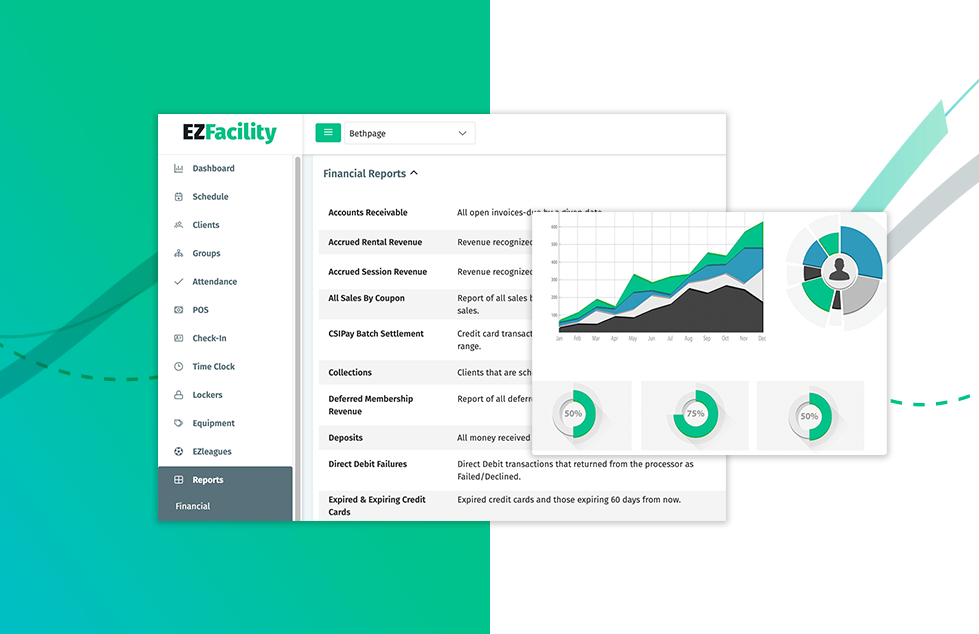
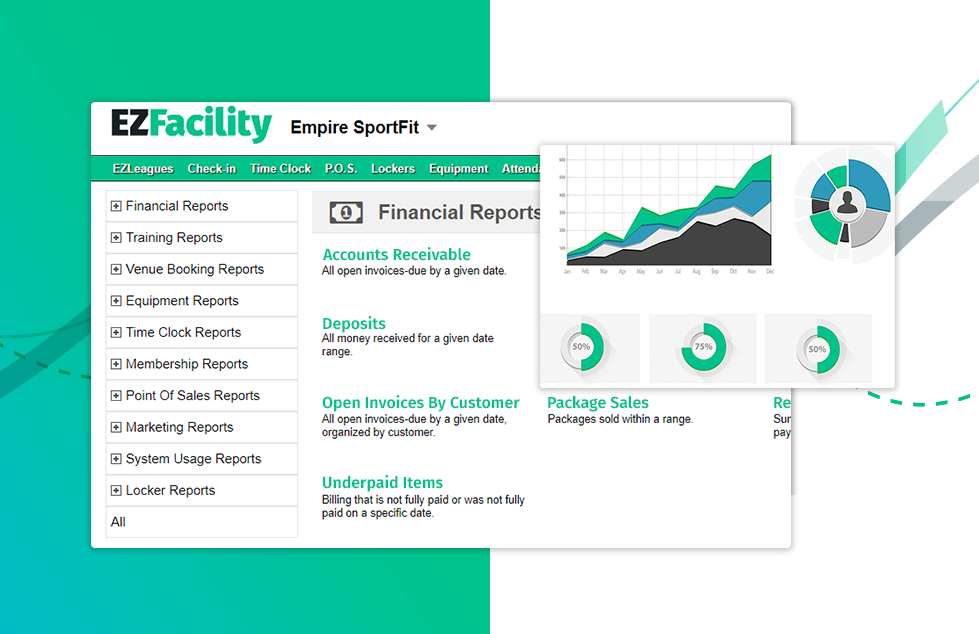
EZFacility solves this with its extensive reporting tools, which consolidate all financial activity into one place. Clubs can generate in-depth reports covering memberships, point-of-sale transactions, payroll, and package sales.

These reports highlight opportunities for growth, like identifying your busiest times of day, spotting underutilized classes, or tracking which revenue streams perform best. Reports can also be exported in multiple formats (CSV, PDF, Excel, and more) to simplify accounting and reconciliation.

Sports and Fitness Business Reporting

How EZFacility Helps Sports Clubs Scale

Scaling a sports club means engaging more members without overwhelming staff. EZFacility supports this with a custom-branded mobile app that lets members book classes, receive push notifications, access promotions, and even use a digital membership card all from their phones. It keeps your club connected, visible, and ready to grow.

And as your operations expand, security matters. EZFacility is PCI DSS Level 1 certified, ensuring payments and customer data are protected while you focus on building your business.

Person on laptop using EZFacility

Turn Operations Into Growth With Sports Club Management Software

Growth depends on efficient operations, engaged members, and clear financial visibility. Sports club management software brings these pieces together, helping clubs save time, boost revenue, and deliver a better member experience.

With EZFacility, you get all of that in one platform, from scheduling and payments to reporting and a custom mobile app built to help clubs scale with confidence.

Ready to see EZFacility in action?

Discover how our all-in-one sports club management software can streamline your operations, strengthen member relationships, and drive growth.

Book your free demo

EZF Blog: 8 Gym Management Tips (1280x853)

The Future of Sports Facility Management: Trends, Technology, and Strategies for 2025 and Beyond

« Blog | Written by Stefano Tromba | | (0) Comments

Running a sports facility is about efficiency, automation, and fan experience, all driven by technology.

Sports facility managers are searching for ways to streamline operations, cut rising costs, and meet the growing expectations of athletes, members, and fans. 

They’re asking:

  • How can AI and data analytics make scheduling, maintenance, and member engagement smarter?
  • Which technologies improve ROI rather than add complexity?
  • And what strategies are helping modern facilities stay profitable year-round?

This guide explores where the industry is headed, from smart maintenance systems and digital membership tools to sustainability initiatives and data-driven decision-making. 

Whether you’re managing a local training center or a multi-venue complex, understanding these trends will help you stay competitive, future-proof your operations, and deliver an experience that keeps athletes coming back.

Why the Future of Sports Facility Management Matters Now

Facility managers are shaping community experiences, sustainability outcomes, and long-term profitability. Acting now matters because the gap between modernized operations and status-quo management is widening fast.

Here are five reasons the future can’t wait:

  1. Competitive advantage compounds early: Facilities that adopt connected systems, automated scheduling, predictive maintenance, and personalized fan engagement aren’t just more efficient today; they’re building data flywheels and brand loyalty that will be hard to replicate later.
  2. Operational costs are shifting from fixed to flexible: Energy optimization, telemetry-driven maintenance, and smart resource allocation cut recurring costs every season. 
  3. Sustainability is now a baseline: Sponsors, fans, and local governments expect measurable progress on energy use, waste reduction, and accessibility. Facilities that can prove it earn trust, goodwill, and easier approvals for future expansions.
  4. Venues must perform year-round: Future-ready sports complexes are transforming into multipurpose hubs, hosting tournaments one week and concerts or conferences the next. Flexible scheduling, modular design, and smarter staffing make revenue steadier and spaces better used.
  5. Data and talent define resilience: Every check-in, concession, and sensor feed generates intelligence that improves planning and safety. Building that foundation now, and training staff to use it, creates a more adaptive, insight-driven operation long before the next disruption hits.
Man and woman checking in at gym desk

Key Technology Trends Shaping Sports Facility Management

From AI-driven maintenance to IoT-enabled sustainability, the tools now defining daily operations are setting long-term cost and performance baselines. Here are the top technology trends shaping the future of sports facility management.

1. AI-driven operations and maintenance

AI is now embedded into modern CMMS (Computerized Maintenance Management Systems) to triage tickets, forecast equipment failures, and automate vendor dispatch. 

According to Deloitte, AI-based predictive maintenance can cut maintenance costs by up to 25% and reduce unexpected breakdowns by as much as 70%. For facilities where refrigeration, HVAC, and lighting systems dominate the budget, these gains compound fast.

Beyond cost, the value is operational clarity. Ice rinks, indoor pools, and multipurpose venues are already using these tools to predict ice-plant wear, monitor air quality, and anticipate turf or lighting system degradation.

In fact, the global AI in Sports market, which includes venue operations, analytics, and performance systems, was valued at $1.2 billion in 2024 and is projected to grow at a 14.7% CAGR through 2034. That growth is driven by a clear ROI story: less downtime, longer asset life, and more predictable capital planning.

A sports facility management software like EZFacility is already moving in this direction. The platform integrates scheduling, membership, and marketing tools with emerging AI features, most notably within its Advanced Email Campaigns

These AI-powered assistants help draft personalized emails, automate communication, and analyze engagement data, giving operators the same kind of predictive, time-saving efficiency that AI brings to maintenance and operations.

See it in action 👇

2. IoT Sensors for Energy and Asset Performance

Connected sensors now monitor HVAC loads, ice-plant performance, lighting, and water systems in real time, turning guesswork into measurable data. IBISWorld’s report notes that energy and maintenance account for over 40% of controllable facility costs, pushing operators to deploy telemetry and condition-monitoring tools that can automatically adjust systems for temperature, occupancy, or time of day. 

Modern IoT platforms feed this data into dashboards that visualize performance by surface, hour, or event with usage tracking and maintenance visibility. Managers can see, for example, when an air-handling unit is drawing too much current, when ice thickness is suboptimal, or when lighting zones are running beyond programmed hours. Over time, that insight compounds into operational savings and smarter capital planning.

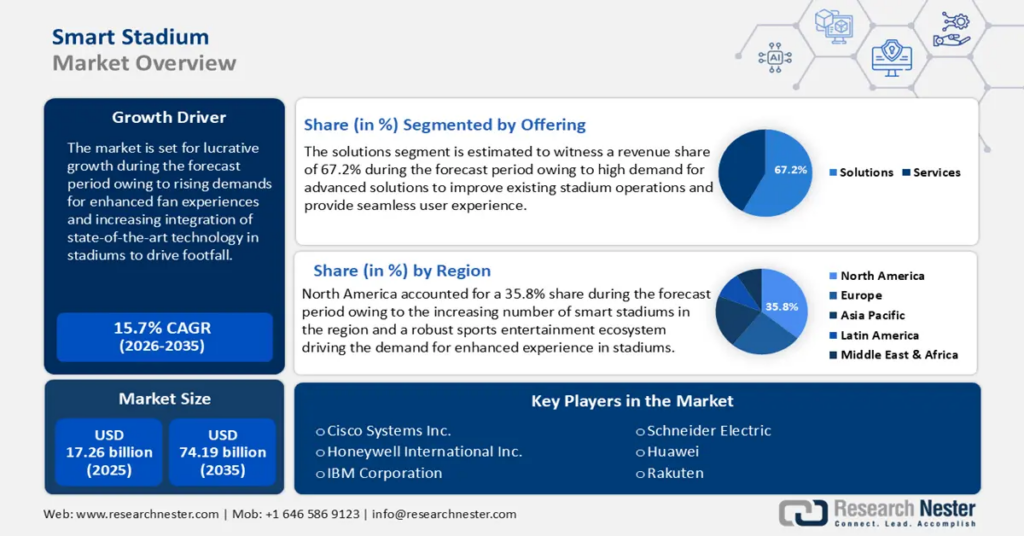
The adoption curve is steep: the global smart stadium market is expected to surpass $21 billion by 2025, driven by energy optimization, occupancy analytics, and connected infrastructure. For sports facilities, that technology is filtering down fast, from major arenas to community centers, because the ROI is tangible and local.

Source: Research Nester

3. Dynamic Pricing and Digital Membership Platforms

 With competition rising and margins tightening, the smartest operators are optimizing space and time. Cloud-based booking engines now use yield management to adjust pricing by demand, raising rates during peak hours and incentivizing off-peak use through automated discounts. 

According to IBISWorld’s Indoor Sports Facilities Management report, the U.S. market has grown to $1.7 billion with more than 9,500 active businesses, reflecting a fragmented landscape where localized pricing agility can make or break profitability.

Beyond pricing, these platforms double as digital relationship managers. They automate recurring memberships, enable self-service check-ins, and sync payments with access control systems. 

EZFacility’s sports club membership sits at the heart of this shift. It unifies scheduling, membership management, and billing into one system that automates renewals, handles recurring payments, and tracks attendance. Members can register, pay, and check schedules through a single online portal or branded mobile app, while administrators see instant insights into revenue, occupancy, and engagement.

4. Energy Management and Decarbonization Technology

High-load venues like rinks and indoor pools are adopting variable frequency drives (VFDs), advanced building management systems (BMS), and heat recovery units to reclaim waste energy from refrigeration and HVAC. IBISWorld’s report highlights utilities as one of the top controllable cost drivers in the sector, with many operators now tying ROI directly to energy savings.

Technology adoption is also being driven by compliance and financing realities. Sustainable upgrades, LED retrofits, refrigerant conversions, and demand-response automation are increasingly prerequisites for grants and sponsorships, especially as municipalities tighten carbon benchmarks. The Ecotrak Facilities Outlook notes that organizations prioritizing measurable sustainability initiatives are seeing faster payback periods and more substantial public goodwill.

5. Mobile-First Customer Experience

The modern member expects every part of their sports club experience, booking, check-in, payments, and updates, to live on their phone. 

For operators, mobile access shortens queues, reduces admin load, and turns casual users into long-term members through seamless self-service. Members can book classes, manage payments, and receive instant notifications without ever calling the front desk. The Ecotrak Facilities Outlook notes that facilities adopting mobile workflows report faster member response times and higher renewal rates than those relying on email or manual scheduling.

EZFacility embodies this shift through its custom-branded mobile app, available on both Apple and Android stores. The app lets members:

  • Book and cancel sessions in real time with live schedule visibility
  • Receive push notifications for class openings, promotions, or updates
  • Access social and loyalty tools, linking their achievements directly to social media
  • Add digital member cards to mobile wallets, streamlining check-ins and access control

Here’s a quick sneak peek: 

6. Cybersecurity and Data Governance

Cloud-based facility systems now process payment information, youth participant data, and staff credentials daily. A single breach can jeopardize member trust and trigger major financial penalties. According to FutureDataStats, the global sports venue management software market is expanding rapidly, but nearly 40% of operators cite data protection as their top technology challenge for 2025.

That’s why facility platforms are hardening by design. EZFacility, for example, is PCI DSS Level 1 certified and hosted on AWS with 99.99% uptime, ensuring secure data encryption and strict access controls. The platform also offers role-based permissions and secure payment integrations, protecting both administrators and members from unauthorized access or data misuse.

H2: Preparing for the Future: Action Plan for Facility Managers

The best-run sports facilities plan for change. This 12-month roadmap helps you align technology, staff, and budgets so your club stays competitive through 2025 and beyond. Use it as a living checklist to track progress quarter by quarter.

Download your Sports Facility Competitiveness Checklist here

Build a Smarter, Greener, Engaging Future

Whether it’s predictive maintenance, connected sensors, or a mobile-first member experience, the goal is to create venues that perform better for people and for the planet.

And EZFacility makes that shift achievable. By uniting scheduling, memberships, billing, and engagement in one intuitive system, EZFacility helps clubs simplify operations, cut waste, and keep members connected through branded, mobile-first experiences.

Your next game-changer runs on 99.99% uptime

EZFacility grows with your sports club—from automated payments to branded apps—all on a PCI DSS Level 1 certified, AWS-hosted platform

Try EZFacility for free

Indoor Sports Blog (1280x853)

Sports Facility Management Metrics & KPIs Guide

« Blog | Written by Stefano Tromba | | (0) Comments

Whether it’s a community recreation center, a private training facility, or a multi-field complex, every decision you make impacts athlete experience, member satisfaction, and long-term profitability.

Metrics like facility utilization, member retention, and revenue per booking give you a snapshot of performance.  Key performance indicators (KPIs) help you turn those numbers into targets so you can see what’s working, spot issues early, and track progress toward growth.

In this guide, we walk through the key metrics and KPIs every sports facility manager should monitor and why they matter for both day-to-day operations and long-term success.

Why Tracking Metrics Matters for Sports Facility Success

Tracking performance data gives managers the clarity they need to make informed decisions instead of relying on gut feelings. Here’s why it matters:

  • Operational efficiency: Utilization rates and scheduling data show whether courts, fields, or studios are being used to their full potential or sitting idle
  • Member satisfaction: Renewal rates, class attendance, and engagement metrics highlight how well your programs meet member expectations
  • Financial stability: Revenue per booking, outstanding invoices, and point-of-sale data reveal the financial health of the facility and where profitability can be improved
  • Staff performance: Payroll accuracy, trainer sessions delivered, and commission tracking ensure employees are motivated and compensated fairly

17 Sports Facility Management Metrics to Track

Let’s break down each metric, explain why it matters, and show how to track it effectively.

Essential Financial KPIs for Sports Facilities

Man and woman checking in at gym desk

1. Revenue per square foot (or court)

Revenue per Square Foot measures how efficiently your facility generates income from its available space.

Formula: Total Revenue ÷ Total Square Footage (or per court/field).

Example: If a 10,000 sq. ft. soccer facility brings in $500,000 annually, revenue per square foot = $50. A 1,000 sq. ft. yoga studio earning $80,000 = $80/sq. ft., showing stronger space utilization.

2. Revenue per available hour (RevPAH)

RevPAH tracks the average revenue earned per hour a space is available for booking.

Formula: Total Booking Revenue ÷ Total Available Hours.

Example: A basketball court available 360 hours in a month that generates $18,000 has a RevPAH of $50/hour. Another court at $25/hour signals underutilization.

3. Membership growth rate and retention

Membership Growth Rate shows how many new members join, while Membership Retention shows how many stay.

Formula:

  • Growth = (New Members ÷ Starting Members) × 100
  • Retention = (Members at End ÷ Starting Members) × 100

Example: Starting with 800 members, adding 200, and ending with 850 = Growth of 25% and Retention of 85%.

💡 Tip: Want a deeper dive into managing and growing memberships? Check out our guide on sports facility memberships for strategies on pricing, packages, and retention tactics.

4. Operating expense ratio

Operating Expense Ratio measures the percentage of revenue spent on operating costs like payroll, utilities, and maintenance.

Formula: Operating Expenses ÷ Total Revenue × 100

Example: If monthly revenue is $100,000 and expenses are $65,000, the operating expense ratio = 65%. A healthy benchmark is generally under 55–60% for sports facilities

5. Cost per acquisition (CPA) for new members

CPA shows the average cost of marketing and sales to bring in one new member. It’s a critical metric for assessing whether campaigns and promotions are efficient, sustainable, and delivering a positive return.

Formula: Total Marketing Spend ÷ Number of New Members.

Example: Spending $5,000 on ads and gaining 50 members results in a CPA of $100/member. If each member is worth $800 annually, the CPA is sustainable.

💡 Tip: Looking for ways to lower your CPA and attract more members? Explore our guide on sports facility marketing for strategies that boost visibility and cut acquisition costs.

6. Profit margin by program or activity

Profit Margin by Program shows how much profit an activity generates after costs are subtracted.

Formula: (Revenue – Direct Costs) ÷ Revenue × 100

Example: A basketball camp earns $20,000 and costs $12,000 to run, giving a profit margin of 40%

Operational Efficiency Metrics to Monitor

7. Facility utilization rate/occupancy rate

Facility Utilization Rate measures how often courts, fields, or rooms are booked compared to their total available hours.

Formula: (Booked Hours ÷ Available Hours) × 100

Example: If a gym studio is open 200 hours in a month and booked for 150, the utilization rate is 75%. Rates above 70% are generally healthy; under 50% suggests unused capacity.

8. Maintenance turnaround time

Maintenance Turnaround Time tracks how quickly reported issues or equipment failures are fixed.

Formula: Total Time Taken to Resolve Issues ÷ Number of Issues

Example: If 10 issues in a month took 100 hours total to resolve, average turnaround = 10 hours per issue. Faster turnaround reduces downtime and complaints

9. Energy and utility usage per activity

This metric shows how much energy, water, or utility cost is associated with each program or booking.

Formula: Total Utility Costs ÷ Number of Activities

Example: If utility costs are $6,000 for 300 activities in a month, usage per activity = $20. Programs with disproportionately high costs may need rethinking.

10. Booking lead time and cancellation rates

Booking Lead Time measures how far in advance reservations are made, while Cancellation Rate shows the share of bookings that don’t happen.

Formula:

  • Lead Time = Average Days Between Booking and Event
  • Cancellation Rate = (Canceled Bookings ÷ Total Bookings) × 100

Example: If most classes are booked 2 days in advance and 20% are canceled, you may need deposits or waitlists to stabilize revenue.

Customer Experience & Engagement KPIs

gym front desk

11. Net Promoter Score (NPS) for member satisfaction

NPS measures member loyalty by asking how likely they are to recommend your facility (0–10 scale)

Formula: % Promoters (9–10) – % Detractors (0–6)

Example: If 60% are promoters and 15% detractors, NPS = 45. Scores above 50 are excellent

12. Class and event attendance rates

Measures how many registered participants actually show up for classes or events.

Formula: (Actual Attendees ÷ Registered Participants) × 100

Example: If 18 of 20 registered members attend yoga, attendance = 90%. High rates indicate strong program value.

13. Complaint resolution time

Complaint Resolution Time tracks how quickly member complaints are resolved. It’s especially important when you’re starting a sports facility business, because early customer impressions set the tone for your reputation.

Responding fast shows professionalism, prevents negative word-of-mouth, and builds trust with new members who are still deciding whether to stay long term.

Formula: Total Time to Resolve Complaints ÷ Number of Complaints

Example: If 30 complaints took 300 hours total, average resolution time = 10 hours per complaint. Quicker resolutions improve member confidence and retention.

Safety & Compliance Metrics

football

14. Incident rate per month

Tracks the number of injuries, accidents, or safety incidents.

Formula: (Total Incidents ÷ Total Visits) × 1,000

Example: 5 incidents across 10,000 visits = 0.5 incidents per 1,000 visits. Lower is better.

15. Compliance audit pass rate

Shows how often your facility passes regulatory or safety audits.

Formula: (Audits Passed ÷ Total Audits) × 100

Example: Passing 9 out of 10 inspections = 90% pass rate. Aim for near 100%.

16. Staff safety training completion rate

Percentage of employees completing required safety or first-aid training

Formula: (Staff Trained ÷ Total Staff) × 100

Example: If 45 of 50 employees are trained, completion rate = 90%. Target 100% to minimize risk.

17. Equipment inspection frequency and results

Tracks how often equipment is inspected and the rate of passes vs. fails.

Formula: Completed Inspections ÷ Planned Inspections × 100

Example: If 90 of 100 scheduled inspections are done and 10% reveal issues, inspection completion is 90% with a 10% fail rate.

Building a Winning Sports Facility with KPIs

When you track metrics across finances, operations, customer experience, and safety, you can boost efficiency, retain more members, and run a more profitable facility.

With sports facility software like EZFacility, you automate recording these KPIs. From utilization reports and revenue dashboards to membership retention tracking and safety logs, everything is built into one platform. That means less manual work, more accurate insights, and faster decisions to grow your facility with confidence.

Person on laptop using EZFacility

Turn your facility data into growth

EZFacility gives you built-in tools to monitor utilization, memberships, revenue, and safety in one place

Book a Demo 

EZFacility Dark Mode

EZFacility: Dark Mode is Officially Here

« Blog | Written by Stefano Tromba | | (0) Comments

You asked, and we listened. This October, EZFacility launched Dark Mode, a new way to experience the EZFacility User Interface (EZUI) that reflects our brand colors in a darker, more modern theme. The update is a direct result of feedback from customers who told us a dark theme would make daily work more comfortable and efficient. 

What is Dark Mode? 

Dark Mode lets you switch EZUI from the default light theme to a darker interface built with EZFacility’s brand palette—delivering a sleek, professional look that feels great to use, no matter what part of the day you work – day or night. 

Why Now? 

  • Highly requested by customers. Dark Mode has been one of the most frequent design asks across client surveys, support tickets, and general client communication.  
  • Sharper look and feel. This latest design feature modernizes our interface while keeping workflows exactly where you expect them. 

Benefits for Users 

  • Comfort & focus: A more visually appealing experience that reduces glare—especially in low-light spaces. 
  • Faster processing: Many users find darker UIs help them scan schedules and data more quickly and accurately. 
  • Improved readability: Addresses low-contrast issues to improve readability for users with low vision. 
  • Battery savings on mobile: Darker pixels can help reduce battery usage on supported devices. 

Dark Mode is Here!

Dark Mode is now available for all EZFacility users! Explore the new theme today and enjoy a fresh, sleek look for your dashboard.

We’d love your feedback! Any thoughts or feature requests help us keep improving EZFacility. Reach out anytime or feel free to contact your account manager.

Not an EZFacility client yet? Not a problem!  

If you’re a facility owner looking to try our software, now’s the time. Dark Mode is officially here, and more updates are on the way. Click here for a free demo. 

Chicago 2025 Trip Recap

Q3 Highlights: Chicago, Collaboration, and Customer Love

« Blog | Written by Stefano Tromba | | (0) Comments

In July, our team gathered in Chicago to collaborate with department heads and map out new ways to elevate the EZFacility client experience. It was an energizing week full of ideas, feedback, and face time with the people who use our platform everyday sports facilities, batting cages, and multi-sport complexes across the windy city! 

Our Focus 

5-Star Support, Scaled

We’re growing our Account Management team to ensure support and training stay at the five-star level our users expect. 

Faster Training & Smoother Onboarding

 We aligned with our Marketing team to create streamlined training content—short videos, guides, and templates—to help staff get up to speed faster and make onboarding even easier. 

Client Face Time 

Connecting with our clients is so important and always beneficial for both sides”, said EZFacility Director of Customer Success, Mario Maravolo, who also organized the trip and facility site visits. EZFacility President, Miranda Pruitt, added, “seeing our software in action and gathering real-time, in-person feedback is invaluable and energizing for all involved.” The insights collected sparked practical ideas that are already shaping into product, training, and support improvements. 

More Visits Ahead 

The trip reinforced how valuable it is to be on-site, learning directly from operators. We’re planning more client visits in the coming year to keep the conversation going and the experience improving. 

And because a stop in Chicago wouldn’t be complete without a ball game, our team had a fun outing to Wrigley Field—the perfect cap to a productive trip. We look forward to making more trips to visit clients throughout 2026!  

See you soon! 

Not an EZFacility client yet? Not a problem!  

If you’re a facility owner looking to try our software, now’s the time—with Dark Mode arriving this October and more updates on the way. Click here for a free demo. 

woman cell gym

Managing a Sports Facility in a Competitive Market

« Blog | Written by Stefano Tromba | | (0) Comments

Indoor sports facilities are in high demand. From batting cages and indoor baseball fields to turf rentals, basketball courts, and multi-sport complexes, every square foot needs to earn its keep. And behind the scenes, operators are juggling bookings, staff schedules, maintenance requests, and member expectations, often all at once.

The stakes are only getting higher. The global sports facilities market is projected to reach over $137 billion by 2029, growing nearly 4% annually. As more athletes and organizations seek high-quality, year-round space, the competition isn’t just for players—it’s for smoother operations and stronger returns.

In this guide, we’ll break down what it takes to manage a sports facility in this climate. From common pitfalls to new opportunities, we’ll look at how operators can adapt and grow in a fast-moving industry.

Key Responsibilities of a Sports Facility Manager

Whether you’re running batting cages, turf fields, or full multi-sport complexes, the role demands both big-picture planning and daily execution. Here’s what a great facility manager is responsible for:

Facility operations & upkeep: Lights working? Bathrooms stocked? Turf intact? A manager handles the invisible checklist that makes the space feel ready, whether it’s a Wednesday morning class or a packed Saturday tournament.

Event scheduling & space optimization:  Booking back-to-back cage sessions or overlapping games on one field? That’s a no. Managers juggle leagues, one-off rentals, team practices, and last-minute changes, ideally without double-booking or dead air.

Staff hiring, training & supervision: Seasonal hires, rotating shifts, no-shows—you need more than a schedule. You need a plan for onboarding, cross-training, and making sure the right people are covering your busiest hours.

Maintenance & equipment management: Fixing a broken pitching machine in the middle of a session is not a good look. Great managers track equipment health, log issues, and make small fixes before they become big headaches.

Safety & compliance: From emergency exits to first-aid kits and security protocols, managers must keep safety front and center. Many venues also need to meet insurance, ADA, and sport-specific regulations.

Financial oversight: Know where money is going—and where it’s leaking. That means budgeting for seasonal revenue changes, keeping operational costs in check, and identifying high-performing programs or spaces.

Vendor & contract management: Whether it’s janitorial services, concessions, or batting cage equipment repairs, third-party vendors play a big role. Managers handle those relationships, contracts, and performance tracking.

Customer experience: Smooth check-ins, clear signage, working Wi-Fi, and helpful staff make a big difference, especially for returning teams or your sports facility memberships. A well-run facility keeps people coming back.

Strategic space planning: Understand how, when, and why your space is used. Are weekday afternoons underbooked? Could group rentals fill the gap? Smart managers treat their square footage like a business asset.

Sustainability & innovation: Eco-friendly upgrades like LED lighting, motion-sensor showers, or smart thermostats signal modernity to athletes, parents, and partners.

indoor sports facility check in

Facility Management Challenges and Opportunities

First, let’s see what’s tested operations lately, and where smart managers are finding opportunities:

Top challenges

❌ Disconnected tech systems: Many facilities rely on a mix of outdated software, spreadsheets, and booking apps that don’t integrate well. This leads to errors, missed revenue, and extra admin work for staff who are already stretched thin.

❌ Hiring and retention challenges: Recruiting skilled staff, especially for part-time, seasonal, or maintenance roles, is a growing hurdle. Without a reliable team, managers often absorb the overflow themselves, increasing burnout and inconsistency.

❌ Balancing quality with budget constraints: Customers expect a clean, safe, and modern facility experience. But delivering that while controlling costs requires tough trade-offs, especially when maintenance and staffing needs spike at the same time.

❌ Aging infrastructure and delayed repairs: Older buildings come with wear and tear. Delaying small fixes like turf tears, lighting faults, or heating, ventilation, and air conditioning (HVAC) issues can lead to bigger problems that disrupt events and increase liability.

❌ Cybersecurity concerns: As more facilities adopt internet-connected systems and cloud-based tools, data security becomes a real concern. Protecting customer information, payment data, and internal operations requires active management.

❌ Too much data, not enough clarity: Usage stats, booking trends, maintenance logs — they all exist, but they’re often siloed across platforms. Without a way to pull it all together, managers struggle to make confident decisions.

❌ Sustainability demands without clear ROI: Going green is important, but retrofitting a facility with eco-friendly systems, like LED lighting or low-flow plumbing, can feel risky without clear returns. Still, the pressure to operate sustainably is only increasing.

Where the opportunities lie

✅ Smarter, connected systems:  Integrated platforms reduce duplication, eliminate manual errors, and give managers a single view of scheduling, maintenance, and reporting.

✅ AI-powered maintenance planning:  Instead of waiting for things to break, predictive tools can flag early signs of wear, minimizing downtime and reducing emergency repairs.

✅ Cloud and mobile-first tools: Facility managers can assign tasks, respond to issues, and check usage dashboards from their phones, without the need to be behind a desk.

✅ Eco-conscious upgrades that pay off:  Energy-efficient HVAC systems, motion-triggered lights, and water-saving fixtures lower operational costs and help meet environmental goals.

✅ Creative programming and pricing: Flexible memberships, off-peak discounts, or bundled space rentals help fill underused time slots and smooth out revenue dips.

✅ Vendor partnerships built for long-term value: Instead of shopping around for the cheapest quote, facilities are building strategic relationships with suppliers who can scale and support growth.

✅ Investing in your team: Tools that reduce manual admin, streamline onboarding, or give staff more control over their shifts contribute to better morale and stronger retention.

Benefits Of a Sports Facility Management Software

A dedicated sports facility management software brings structure, automation, and insight to every corner of your operation.

Here’s how it helps, both daily and over the long term:

Automates repetitive tasks: Instead of spending hours manually managing bookings, invoices, and member check-ins, the software handles it all in the background. This reduces admin load and gives your team time to focus on higher-value work, like improving programming, supporting athletes, or solving customer issues quickly.

Prevents double bookings and scheduling conflicts: Real-time availability and smart alerts eliminate the risk of overlapping reservations or maintenance clashes. 

Improves visibility across your operation: With all schedules, programs, payments, and maintenance tickets in one system, you get a clear overview of your facility.

Maximizes use of every square foot: Whether it’s dividing a field into multiple rental zones or flipping a court from volleyball to pickleball, flexible space management lets you fit more bookings into the same footprint, without adding new construction or staff.

Unlocks new revenue streams: Easily open up rentals to new groups, offer pay-per-use slots, or run community programs during off-peak hours. These micro-revenue opportunities help you increase your sports facility’s profitability

Reduces billing mistakes and late payments: Automated invoicing, recurring billing, and real-time payment tracking help you avoid lost revenue and awkward follow-ups. 

Offers 24/7 self-service to customers: Let members handle their own bookings, payments, and cancellations online—at 10am or 10pm. It creates a smoother experience for them, and takes pressure off your front desk staff during peak times.

Enables real-time alerts and communication: Whether it’s a last-minute field change, payment confirmation, or maintenance update, software keeps everyone in the loop instantly, reducing no-shows, confusion, and miscommunication between teams and staff.

Delivers actionable reporting and insights: Want to know which time slots generate the most revenue? Which programs are underperforming? How often is your turf at capacity? Built-in dashboards give you the answers.

Supports predictive maintenance: Instead of reacting to broken equipment or turf issues after they derail a booking, software helps you spot patterns and service assets proactively, keeping your facility safer, more reliable, and longer lasting.

Simplifies internal coordination: Your team can share calendars, assign tasks, and communicate directly in the platform. That means fewer dropped balls, smoother shift handovers, and faster problem resolution across every department.

How Ezfacility Helps You Manage A Sports Facility Smarter

If everything we’ve covered sounds familiar, such as the double bookings, scattered schedules, missed payments, and underused space, EZFacility was built for you.

EZFacility is an all-in-one sports facility management software designed specifically for operators of gyms, indoor sports complexes, turf rentals, and training centers. And if you’re building a new sports facility, EZFacility gives you the structure to launch efficiently, avoid early missteps, and scale faster with the right systems in place from day one.

Here’s a look at the top EZFacility features and how purpose-built it is for sports environments:

✅Facility scheduling tools give you total control over space usage, with color-coded calendars, automated conflict detection, and flexible configurations for subdividing fields or courts.

✅Membership and registration management helps you onboard athletes and groups quickly, automate renewals, and track attendance or access—all from one dashboard.

✅Built-in maintenance tracking ensures you stay ahead of wear and tear, with scheduled servicing, work order history, and alerts that reduce downtime.

✅ Payment processing and financial reporting keep your revenue flowing smoothly, offering automated billing, online checkout, and real-time insight into what’s working and where growth is coming from.

Whether you’re running batting cages, indoor leagues, or a multi-sport facility, EZFacility is built to reduce friction, improve customer experience, and give you the clarity and control you need to scale, without growing your to-do list.

Your facility runs better when your systems do. Discover how EZFacility can reduce admin, unlock revenue, and help your team stay ahead. Try EZFacility for free.

Soccer Ball and Foot

Talkin’ Turf: Soccer Field Turf Management and Maintenance for Facility Operators

« Blog | Written by Stefano Tromba | | (0) Comments

It’s no secret that operating a sports facility is challenging. Whether it’s an indoor or outdoor field, turf quality can be the difference between a winning experience and a major liability. From community fields, school campus grounds, or multi-sport complexes, soccer field turf management plays a vital role in ensuring player safety, optimizing field performance, and maximizing your facility’s profitability.

Soccer field maintenance is more than just mowing grass or brushing synthetic fibers—it’s a comprehensive strategy aimed at preserving playability, reducing field downtime, and streamlining staff workflows. With increased demand from year-round programs and competitive clubs, facility managers are under pressure to deliver professional-grade fields consistently.

In this guide, we’ll break down essential turf care practices, common challenges, and how smart software like EZFacility helps you stay one step ahead.

The High Cost of Neglecting Field Maintenance

Here’s a hard truth: poorly maintained soccer fields cost more in the long run.

Without a proactive soccer field maintenance strategy, you will likely face:

  • Costly turf repairs due to compaction, thinning grass, or damaged infill
  • Field downtime, forcing you to cancel bookings or reschedule events
  • Safety concerns, such as trip hazards, uneven surfaces, or unsanitary turf
  • Lost revenue, as athletes and organizations seek better-maintained alternatives

These problems are especially common in high-traffic facilities that serve multiple sports or experience seasonal weather fluctuations. Without structured maintenance schedules and oversight, even small issues can compound into major disruptions.

Turf Talk: Tips for Turf Longevity

So, what does soccer field turf management really involve? It’s a combination of preventive care, consistent monitoring, and timely intervention—whether you’re managing natural or synthetic turf.

Soccer field turf management involves a range of practices to maintain a safe, playable, and healthy playing surface. Key aspects include mowing, watering, fertilization, aeration, and overseeding, along with regular cleaning and repairs for both natural and synthetic turf.

Below are actionable turf care tips to help you extend the life of your field.

Natural Turf Maintenance Essentials

Natural grass fields require seasonal care and daily attention. Here are best practices for long-lasting results:

  • Mowing: Follow the “one-third rule” and mow frequently to avoid stressing the grass. This encourages strong root development and keeps the surface even.
  • Watering: Schedule deep watering (at least 1 inch per week) to ensure roots grow deep, promoting drought resistance and turf strength.
  • Fertilization: Apply a balanced fertilizer with a recommended N-P-K ratio (such as 5-1-4) to deliver essential nutrients and boost growth.
  • Aeration: Core or solid tine aeration relieves soil compaction and enhances oxygen flow, especially in heavily used zones.
  • Overseeding: Seed thin or bare areas frequently to maintain turf density and resist weed intrusion.
  • Topdressing: Add a thin layer of soil or sand to improve seed-to-soil contact and ensure a level surface.
  • Clipping Removal: Post-mow cleanup prevents thatch buildup, which can suffocate healthy turf.

Synthetic Turf Maintenance Essentials

Synthetic surfaces require different but equally important upkeep routines:

  • Cleaning: Remove debris and litter regularly to reduce injury risk and maintain aesthetics.
  • Sanitizing: Disinfect the surface periodically to prevent bacterial buildup—especially critical in shared-use environments.
  • Infill Replacement: Maintain optimal infill levels to preserve cushioning and restore ball bounce consistency.
  • Grooming: Use brushing tools to reposition turf fibers upright, improving both look and playability.
  • Watering: Spray down fields on hot days to cool the surface and reduce heat-related injuries.
  • Repairing: Promptly address rips, seam separations, or worn zones to keep fields safe and functional.

These strategies help preserve the lifespan of your turf and keep athletes coming back.

tu

Common Challenges in Soccer Field Turf Management

Managing multiple fields with limited resources isn’t easy. Many facilities struggle to keep up with maintenance due to overlapping schedules, labor shortages, or weather-related disruptions.

1. High Usage Volume and Tight Turnarounds

Many fields operate from dawn till dusk, especially during peak seasons. Constant foot traffic depletes turf health faster and leaves little time for recovery.

2. Weather Impacts and Drainage Failures

Rain can flood low points, snow delays seasonal prep, and summer heat stresses grass. Poor drainage only compounds these problems, especially if your fields are built on uneven terrain.

3. Scaling Across Locations

When managing several fields or facilities, organizing crew schedules, tracking inventory, and logging tasks manually can lead to errors, duplication, or missed tasks.

How EZFacility Helps Streamline Soccer Field Turf Management

This is where EZFacility steps in as a game-changing partner. Our facility management platform was designed to simplify the chaos that comes with turf care, bookings, and maintenance coordination.

Here’s how EZFacility supports smarter soccer field turf management:

Centralized Field Scheduling

Avoid overbooking and ensure rest periods between games or events. You’ll be able to visualize usage across fields, prevent conflicts, and allow turf to recover.

Automated Maintenance Tasks

Set up recurring reminders for mowing, fertilizing, aeration, cleaning, or inspections. This ensures nothing falls through the cracks, even during your busiest weeks.

Mobile Access for Field Crews

Technicians can log maintenance updates from anywhere using a mobile device, making it easier to record issues in real-time and stay connected to the broader operations team.

Maintenance Logs & Historical Reporting

Track what was done, when, and by whom. Use this data to anticipate wear patterns, forecast supply needs, or schedule deeper restorations.

Inventory Tracking

Stay ahead of supply shortages by managing your inventory of fertilizer, infill, tools, and other essentials—all within the same system.

Wrap-Up: Take Control of Your Turf

Maintaining top-tier soccer fields doesn’t have to feel like a never-ending battle. With the right care strategies—and the right tools—you can deliver consistently excellent playing conditions while protecting your bottom line.

Discover soccer field turf management best practices to improve playability, reduce downtime, and streamline maintenance with smart scheduling tools like EZFacility.

Stop patching turf problems—start managing them proactively.
Learn how EZFacility keeps your fields game-ready.

Football

Solving the Sports League Scheduling Problem

« Blog | Written by Stefano Tromba | | (0) Comments

If you’ve ever tried to organize a sports league, you know the sports league scheduling problem is real. Between juggling team availability, field space, referee coordination, and last-minute weather changes, it can feel like solving a Rubik’s Cube—with moving pieces.

In this blog, we break down what makes sports league scheduling so complicated, the hidden costs of getting it wrong, and how to solve it efficiently with technology built specifically for league organizers.Struggling with the sports league scheduling problem? Learn how to streamline games, refs, and fields with smart tools built for league organizers.

What Makes Sports League Scheduling So Complicated?

Running a league requires more than spreadsheets and sticky notes. Modern league organizers face increasingly complex challenges, especially as participation grows and expectations for seamless experiences rise.

Balancing Multiple Teams, Age Groups, and Divisions

Leagues often span various skill levels, age brackets, and divisions—each with their own game frequency and playtime requirements. Making sure every team gets equal field access without an overlap can become a complicated puzzle to solve.

Limited Field Availability and Time Slots

Facilities have limited hours, and prime slots (like evenings and weekends) book quickly. Add blackout dates for holidays or maintenance, and it’s easy to run out of field time before scheduling even begins.

Weather, Reschedules, and Unpredictable Changes

Rainouts, venue conflicts, and last-minute cancellations can throw even the most carefully planned schedule into chaos. Without a system to adjust quickly, you risk upsetting teams and overloading your staff.

Communication Breakdowns Between Staff, Coaches, and Players

Even the best schedule fails if no one sees it. Poor communication can lead to missed games, last-minute calls, and frustrated coaches. A centralized communication tool is essential to avoid confusion.

Most Common Scheduling Mistakes

The sports league scheduling problem is often worsened by preventable missteps:

  • Relying on spreadsheets or paper calendars
  • Overbooking fields without changeover buffers
  • Failing to plan for reschedules or maintenance
  • Not coordinating with referee availability
  • Delayed or unclear communication with teams
  • Ignoring blackout dates or venue conflicts

These mistakes are not just inconvenient—they’re costly.

The Cost of Poor Scheduling

Bad scheduling doesn’t just hurt your league’s image—it hits your budget, too.

  • Lost Revenue: Games that are canceled or rescheduled can mean lost facility rental fees or participant refunds.
  • Increased Admin Time: Manual scheduling eats up time better spent growing your programs or serving participants.
  • Damaged Reputation: A disorganized schedule can push teams, players, and referees to look for more reliable leagues.
  • Burnout: Constantly managing changes, complaints, and conflicts wears down even the best staff.

Fortunately, this can all be avoided.

Best Practices for Solving the Sports League Scheduling Problem

The key to resolving the sports league scheduling problem is to modernize your approach with scalable tools that simplify coordination across people, places, and events.

Centralize League Scheduling with an Intuitive, Visual Calendar

EZFacility’s league scheduling software offers a drag-and-drop calendar that lets you plan across multiple fields, age groups, and divisions—all in one place. This makes it easy to visualize gaps, prevent overlap, and adapt on the fly when conflicts arise.

Prevent Double-Bookings with Automated Conflict Detection

Stop juggling schedules manually. EZFacility automatically detects conflicts between fields, teams, and referees before they’re finalized—saving you from scheduling headaches and unhappy teams.

Automate League Schedules and Account for Blackout Dates

Recurring games? Holiday weekends? No problem. EZFacility allows you to generate entire league schedules at once while blocking out fields for maintenance, special events, or off-days. This eliminates the risk of human error and ensures consistency.

Simplify League and Tournament Management

Whether you’re managing a round-robin league or a single-elimination tournament, EZFacility’s built-in tools make setup and score tracking easy. You can customize standings, manage playoff brackets, and update results in real time—all from a single platform.

Coordinate Referee Scheduling Alongside Games

No more switching between platforms or spreadsheets. Assign referees directly within the same system you use for game scheduling. EZFacility ensures refs aren’t double-booked and instantly notifies them of any updates.

Improve Communication with Coaches and Teams via Mobile Access

With EZFacility’s mobile app, teams get real-time updates about schedules, locations, and changes—reducing no-shows, confusion, and the flood of last-minute emails.

Use Reporting to Optimize Future Seasons

Data-driven planning is the future of league management. EZFacility’s reporting tools provide insights into field usage, schedule density, and team participation, helping you improve planning and advocate for more space or funding in the future.

Real-World Applications: From Chaos to Control

Let’s say you’re running a spring soccer league with 12 youth teams, 3 referees, and only 2 fields available on weekends. A few years ago, you might’ve built a schedule in Excel and hoped for the best.

But now, with EZFacility:

  • You auto-generate game slots every Saturday from March to May
  • Assign referees with built-in conflict detection
  • Block out fields for Easter weekend
  • Send push notifications to teams with real-time updates
  • Review attendance reports to improve planning next season

All in under an hour.


The sports league scheduling problem isn’t going away—but with the right tools, it doesn’t have to be a problem at all.

Ready to simplify your sports league scheduling?
Discover how EZFacility can help you manage your games, refs, and facilities with ease.


Recommended Reading

Want to take your league planning to the next level? Check out these related guides:

gym front desk

How to Grow and Manage Sports Facility Memberships Effectively

« Blog | Written by Stefano Tromba | | (0) Comments

Managing sports facility memberships is more than a backend task—it’s the backbone of long-term growth and operational success. Whether you oversee a gym, training center, or multi-sport complex, a well-designed membership strategy powers your facility’s stability, cash flow, and community.

In today’s digital-first environment, modern sports facilities must evolve how they attract, manage, and retain members. From onboarding to renewals to long-term engagement, streamlining the member journey with technology is key to building loyalty and boosting revenue.

Learn how to grow, manage, and retain sports facility memberships with flexible plans, automation, and smart tools built for modern operators.

Why Memberships Are the Lifeblood of Sports Facilities

A sports facility membership is a recurring access plan that gives clients permission to use your facility or participate in specific services. These memberships are the financial engine behind most fitness and training centers.

Unlike drop-in fees, memberships provide predictable, recurring revenue—critical for budgeting, staffing, and scaling operations. They also encourage long-term engagement and drive referrals when paired with great experiences.

The more satisfied your members are, the more likely they are to renew, upgrade, and bring friends—turning a one-time visitor into a loyal brand ambassador.


Strategies to Grow Your Sports Facility Memberships

If you’re looking to boost numbers and value, here are actionable ways to grow your member base while keeping current members happy.

Digital Access & Self-Service

Make it as easy as possible to join your facility. EZFacility’s gym management software allows you to embed digital registration and payment portals directly into your website or mobile app.

New members can:

  • Register online in minutes
  • Choose the best-fit plan
  • Set up payments on the spot

Removing friction from sign-up accelerates growth and reduces admin work.

Referral and Loyalty Programs

Your best marketing channel? Your current members.

Offer:

  • Incentives for referrals (e.g., one free month)
  • Loyalty points for consistent attendance or purchases
  • Bonus rewards for long-term renewals

These programs can be tracked and managed through EZFacility’s CRM and communication tools, helping you retain and reward your most valuable members.

Trial Membership Packages

Let prospects try before they buy.

Short-term passes or low-cost trials can convert curious visitors into paying members. With EZFacility, you can track trial sign-ups, automate conversion emails, and measure what percentage turn into full members.

Hybrid and Flexible Plans

One-size-fits-all memberships are becoming outdated. Instead, offer:

  • Hybrid access (in-person + digital training)
  • Tiered pricing (e.g., off-peak vs. premium access)
  • Class-pack options for non-committed users

EZFacility allows you to create and manage multiple membership types while tracking which ones perform best over time.

Common Challenges in Managing Sports Facility Memberships

Without the right systems in place, managing memberships can quickly become a bottleneck. Manual processes and siloed tools create friction for both staff and clients.

Managing Multiple Membership Types

Whether you offer youth, family, adult, or corporate plans, managing varied pricing, access rules, and expiration dates can lead to errors and frustration. EZFacility simplifies this by centralizing all plans under one roof, with rule-based controls and automated tracking.

Tracking Payments and Renewals

Chasing down late payments or manually processing renewals is a drain on staff time. Without automation, you also risk involuntary churn due to expired cards or missed invoices.

Timely Member Communication

Keeping members informed is crucial—but relying on emails or front-desk phone calls isn’t scalable. Many facilities struggle to share real-time updates like schedule changes, promotions, or closures.

How to Optimize Sports Facility Membership Management with EZFacility

Ready to stop managing memberships manually? Here’s how EZFacility can modernize your entire process:

Automate Billing and Renewals

EZFacility supports:

  • Automated invoicing
  • Recurring payments
  • Dunning management (e.g., reminders for failed payments)

This ensures consistent cash flow while reducing staff workload and missed payments.

Segment and Personalize Member Communications

Send targeted messages based on:

  • Membership type
  • Attendance behavior
  • Class participation

Through EZFacility’s built-in communication tools, you can push updates via branded emails and in-app notifications—keeping members engaged and informed.

Monitor Churn and Membership Trends

With EZFacility’s real-time reporting, facility managers can:

  • View active/inactive member counts
  • Track drop-off rates
  • Evaluate revenue by membership tier
  • Identify seasonal trends

This empowers data-driven decisions about pricing, promotions, and programming.

For more insights, read our guide: Your Guide to Raising Fitness Membership Rates

Related Resources & Tools

Want to learn more about membership models and profitability?

Build a Stronger Sports Facility with Smarter Membership Management

Sports facility memberships aren’t just revenue—they’re relationships. The key to sustainable growth is a modern membership strategy that focuses on convenience, communication, and customization.

Whether you’re starting fresh or scaling to the next level, EZFacility gives you the tools to manage your memberships with confidence and clarity.

Ready to simplify your membership management?
Discover how EZFacility helps you grow and retain members effortlessly.

Jr. Baseball

Baseball Field Management and Maintenance for Facility Operators

« Blog | Written by Stefano Tromba | | (0) Comments

Nothing ruins game day like a waterlogged outfield or a double-booked diamond.

Whether you’re managing full-sized basketball fields or indoor facilities like cages and turf spaces, you know the drill: rain delays, overused turf, broken sprinklers, forgotten chalk lines–or on the indoor side, worn-down lanes, cage conflicts, and constant scheduling headaches. 

As sports facility demand explodes (the global market will reach $1 trillion by 2034), keeping baseball fields game-ready has gone from simple upkeep to full-blown logistics.  And if you’re managing multiple fields, leagues, or seasons, maintenance isn’t your biggest challenge; coordination is.

In this article, we’ll discuss smart baseball field maintenance strategies, what to include in your checklist, and how to keep fields safe, playable, and ready all season long—no matter how busy things get. 

4 Foundations of Effective Baseball Field Management

Before you think about rakes or turf, you need systems. These four foundations keep your fields playable, your schedules clean, and your facility running like it should.

1. Scheduling and Usage Optimization

The fastest way to ruin a field is to overuse it—and the fastest way to frustrate teams is to double-book it. Optimizing your schedule protects both your turf and your reputation.

This means you need to: 

  • Rotate fields to avoid concentrated wear
  • Build in recovery windows after rain or high-traffic events
  • Track usage trends to predict and prevent bottlenecks
  • Coordinate team types (e.g., youth leagues vs. adult leagues) to match field conditions

That’s why you need a centralized system that helps you manage field time, avoid conflicts, and adjust on the fly. A baseball facility scheduling software like EZFacility gives you complete facility management control with features like real-time field calendars, color-coded schedules, drag-and-drop rescheduling, and built-in conflict resolution. You can even multi-schedule by class size, venue, or reservation type, so nothing slips through the cracks.

Scheduling Software

2. Staffing Coordination

A well-maintained field depends on people, not just the weather. Grounds crews, operations staff, seasonal help, and even the best schedules fall apart without tight coordination.

The real challenge: Are your staff aligned with what’s happening on the field, or just following a shift schedule?

Effective staffing coordination starts with visibility. Your team should know not just when they’re working, but why. Who’s prepping Field 2 before the 6 PM game? Who’s checking drainage after back-to-back doubleheaders? Who’s responsible for reporting turf wear before weekend tournaments?

If you’re starting a baseball facility, building this clarity into your operations early on sets the tone for everything that follows. And if you’re already managing a complex, it’s the difference between being reactive and staying ahead of problems.

Facilities that do this well often:

  • Align staff schedules with field bookings and maintenance windows
  • Assign ownership of recurring tasks (like infield dragging or foul line chalking)
  • Use shared tools or dashboards to keep everyone updated on weather, usage, and field conditions

3. Budgeting

Between turf care, water bills, lighting, and surprise repairs (because something always breaks mid-season), it’s easy for field costs to sneak up on you. 

That’s why it helps to track your budget by field, not just by year. Try setting maintenance tiers: game fields, practice fields, and low-use overflow areas. 

For example:

  • A game field, used for league matches and tournaments, usually needs the most attention. That might include weekly turf treatments, daily infield grooming, and more frequent equipment checks, since it’s your showcase field and gets the most wear.
  • A practice field, while still active, might only need infield work a few times a week and basic turf monitoring. You’re maintaining playability, but it doesn’t have to be perfect every day.
  • A low-use or overflow field, used for make-up games, rentals, or off-season workouts, can be maintained less frequently, with spot checks and deep cleaning scheduled during downtime. 

Want to take it a step further? Start forecasting.

Look at your busiest months from last season. Did Field 1 hit 60+ hours of use in June? Was your irrigation bill 30% higher during tournament weekends? That’s data you can use. Budget ahead for high-traffic periods, set aside emergency funds for rain-heavy months, and stagger big-ticket maintenance to avoid peak programming weeks.

Remember, you don’t need fancy software to start. Even tracking which fields need the most repairs, or when your water bills spike, gives you a clearer picture for next season. The more you know now, the fewer surprises you’ll face later.

💡Pro tip: Indoor fields work differently, especially with HVAC and lighting in the mix. If that’s part of your setup, our article on indoor baseball facility costs breaks down what to expect!

4. Integrating Baseball Field Maintenance into Operations

One of the most common mistakes facilities make is treating maintenance like a separate task instead of part of daily operations. That’s when issues arise: bases don’t get reset, fields aren’t groomed between games, or staff shows up without knowing what needs to be done.

To fix this, maintenance needs to be embedded into your workflows, not run alongside them. That means linking tasks to field usage, building in prep and recovery time automatically, and keeping your staff looped in as schedules shift.

This is where you’d realize the real benefits of using facility management software with platforms like EZFacility. You can easily connect field bookings with task assignments, automate reminders, and view everything—events, staffing, and upkeep—in one place. 

Whether you’re running a multi-field complex or planning how to market your batting cage business to new members, you’ve got a clear plan that updates in real time.

Baseball League Scheduling Software

Building a Sustainable Baseball Field Maintenance and Management Plan

At some point, daily maintenance turns into a long-term strategy.

If you want your baseball facility to thrive, your field care routines need to scale alongside your programming. That means moving beyond task lists and gut decisions to something more predictable: systems.

One of the most effective ways to make this shift is by systematizing your maintenance approach. It also means getting everything out of your head and into a structure so that no matter who’s on shift, the standard stays the same. 

That’s why you need a structured maintenance checklist!

Baseball Field Maintenance Checklist

This checklist helps keep your turf safe, your play areas consistent, and your operations one step ahead of weather, wear, and game-day chaos.

Pre-season Preparation

Get your field game-ready before the cleats hit the clay:

  • Inspect and repair drainage systems: Poor drainage causes water buildup, turf rot, and unplayable fields. Fix issues before spring rains hit so you don’t lose game days.
  • Grade and level the field: Uneven surfaces lead to bad bounces, player injuries, and puddling. Use a box blade or laser grading to ensure a smooth playing surface.
  • Rebuild mound and home plate areas: These high-wear zones break down fast. Repack with proper mound clay and moisture to prevent divots, slipping, and loss of mound integrity.
  • Test irrigation systems: Fixing broken heads and adjusting spray patterns now saves you mid-summer turf damage and dead zones later.
  • Order materials: Conditioner, seed, chalk, tarps, paint, and mound clay often take time to arrive; ordering early ensures you’re stocked before demand peaks.

Daily / Weekly / Monthly Tasks

Your field is only as good as your daily habits. 

  • Daily: Groom the infield, clear debris, and spot water problem areas. A smooth infield prevents bad bounces and reduces compaction. Debris removal from dugouts, fences, and foul territory. Spot watering around base paths and sliding zones protects high-wear turf from drying out, especially in hot or windy conditions.
  • Weekly: Mow turf and edge playing surfaces. Regular mowing at the right height for your grass type promotes dense, healthy growth and consistent ball speed. Edging along base paths, fences, and warning tracks keeps turf from creeping into dirt areas and maintains sharp field dimensions.
  • Monthly: Aerate compacted areas, fertilize, and deep-condition clay surfaces. Aeration improves drainage and oxygen flow, essential in heavy-use zones like the mound or batter’s box. Fertilizing supports seasonal turf health, growth in spring, and root strength in fall. Clay areas should be repacked and moistened to maintain grip, shape, and playability.

Equipment & Supplies Inventory

Even the best field crew can’t work without the right tools.

  • Maintain tools: Regular upkeep of field tools reduces mid-season breakdowns, extends equipment lifespan, and keeps grooming jobs efficient. Replace damaged handles, clean moving parts, and store tools properly to avoid rust or warping, especially in humid months.
  • Track turf care materials: Keep a running inventory of high-use consumables and track how quickly they’re used across fields. This helps you avoid game-day shortages and lets you forecast purchasing needs before peak tournament weekends.
  • Set reorder thresholds and review vendor delivery schedules: Establish stock level minimums for key supplies, and align your orders with vendor delivery timelines. Waiting until you run out leads to rushed shipping, higher costs, and frustrated crews stuck waiting on basics.

Field Recovery & Weather Readiness

Field damage isn’t always preventable, but recovery can be planned for. 

  • Post-rain drying and grooming protocols: After rainfall, use drying agents and infield drags to break up mud, redistribute conditioner, and restore playability, especially around bases, the mound, and sliding areas. Fast action prevents hardpan from forming and reduces the risk of cancellations.
  • Use of tarps and moisture management: Covering the mound, home plate, and infield before storms helps protect high-maintenance clay areas from saturation and erosion. Tarps also retain moisture on hot days and extend the life of freshly conditioned surfaces.
  • Recovery plans after tournaments or heavy play: High-traffic weekends take a toll on turf and infield surfaces. Schedule rest days for watering, light rolling, and surface repair. Regular recovery prevents long-term damage and helps your fields bounce back faster, both visually and structurally.

This checklist works best when it’s integrated into your scheduling software, which means tasks are assigned, tracked, and completed as part of your daily flow. It keeps your crew aligned, automates repeat work, and helps your team respond faster when plans change.

How EZFacility Simplifies Baseball Field Management and Maintenance 

Baseball field management gets complicated fast. Between scheduling, staffing, maintenance, and recovery, it’s easy for small issues to turn into big problems. EZFacility brings it all together in one place, so you can start managing growth. You get: 

✅ A smarter way to schedule fields and sessions—no more double-bookings, paper calendars, or last-minute reshuffles

Built-in tools to assign coaches, manage availability, and automate reminders so everyone knows where to be
Integrated billing and POS to cut down on admin time, track every transaction, and simplify pro shop sales

Online registration that reduces paperwork, speeds up signups, and lets parents register 24/7
Mobile access that puts scheduling, attendance, and updates in your pocket—no need to call the front desk
Branded player passes that streamline check-ins, reduce wait times, and give your facility a pro-level feel

From seamless scheduling to simplified operations, every feature is designed to simplify your day-to-day tasks. Experience the difference of meeting all your facility needs in one platform.

Try EZFacility and turn your maintenance plan into a system that runs itself.

Gun Club Management

Aim Higher: How Gun Ranges Can Hit Their Mark in Efficiency 

« Blog | Written by Stefano Tromba | | (0) Comments

Managing a gun range or shooting club involves juggling multiple responsibilities—from scheduling range time and managing memberships to tracking inventory and ensuring compliance with regulations. EZFacility provides an all-in-one software solution tailored specifically for shooting ranges and gun clubs, helping them operate more efficiently and grow their business. 

Simplified Range Scheduling & Reservations 

With EZFacility’s gun range management software, facilities can streamline scheduling and reservations with ease. Our intuitive system allows customers to book range time online, reducing the administrative burden on staff. Real-time availability updates prevent double bookings and keep operations running smoothly. 

Membership & Customer Management 

Gun ranges often rely on memberships and repeat customers for revenue. EZFacility’s platform makes it simple to manage memberships, automate renewals, and offer exclusive perks to loyal customers. With digital membership tracking, facilities can keep detailed records of customer preferences, ensuring a personalized experience for every visitor. 

Inventory & Equipment Tracking 

Whether you rent out firearms, sell ammunition, or offer training courses, managing inventory is crucial. Our software helps gun ranges track equipment usage, monitor stock levels, and automate low-stock alerts to ensure they never run out of essential supplies. 

Billing, Payments & Reporting 

EZFacility simplifies payment processing with secure online billing, automated invoices, and integrated point-of-sale options. Additionally, our robust reporting tools provide valuable insights into business performance, allowing gun range owners to make data-driven decisions and optimize revenue streams. 

Compliance & Safety Management 

Ensuring that all visitors and members comply with safety regulations is a top priority for gun range operators. EZFacility’s software enables facilities to store digital waivers, track required training certifications, and maintain compliance records, making it easier to meet legal requirements. 

Grow Your Gun Range with EZFacility 

EZFacility’s specially engineered software for gun range owners can reduce administrative work, improve customer satisfaction, and focus on growing their business. If you’re looking for an efficient way to manage your facility, streamline operations, and enhance the customer experience, learn more about our gun range management software.

Boutique Fitness Studio Success

5 Ways Smaller Studios Win Big: How EZFacility Powers Boutique Fitness Success 

« Boutique Fitness Studio | Written by Stefano Tromba | | (0) Comments

Running a successful boutique fitness studio isn’t just about offering great workouts—it’s about delivering a first-class experience. However, when you’re working with a lean team, a small budget, and limited resources (unlike those big-box gyms), every aspect of your studio needs to pull its weight. That’s why streamlined management isn’t just helpful—it’s essential. 

Effortless Class and Trainer Scheduling 

Managing diverse class offerings and coordinating trainer schedules can be complex for boutique studios. EZFacility simplifies this with an intuitive calendar system that allows for easy scheduling of group classes, personal training sessions, and studio rentals. This ensures optimal resource utilization and provides clients with a seamless booking experience.​ 

Seamless Membership and Payment Processing 

For smaller studios, handling memberships and payments can be time-consuming. EZFacility automates these processes, enabling effortless sign-ups, recurring membership payments, and flexible pricing options. This automation reduces administrative tasks, allowing staff to focus more on client engagement and service delivery.​ 

Branded Mobile App for Enhanced Member Engagement 

Building a strong community is vital for boutique studios. EZFacility offers a fully branded mobile app that keeps clients connected. Through the app, members can book classes, track their progress, and engage with the studio anytime, fostering a sense of belonging and loyalty.​  

Automated Marketing and Client Retention Tools 

Retaining clients is often more cost-effective than acquiring new ones. EZFacility provides automated marketing tools, including mass email communications, SMS reminders, and promotional offers, to keep clients engaged and informed. These features help maintain strong relationships and encourage repeat business.​  

Comprehensive Reporting and Business Insights 

Understanding business performance is critical for growth. EZFacility delivers easy-to-read reports on attendance, revenue, and membership trends, empowering studio owners to make data-driven decisions and strategically plan for the future.​ 

By integrating EZFacility’s Boutique Fitness Studio Software, boutique fitness studios can overcome the challenges of limited resources, enhance client experiences, and position themselves for sustainable growth in a competitive market. 

Leadership Strategy Summit

EZFacility Team Gathers in Cancun for Leadership Summit

« Blog | Written by Stefano Tromba | | (0) Comments

This March, EZFacility’s departmental leaders from around the world convened in Cancun, Mexico, for a four-day offsite meeting dedicated to discussing key initiatives, upcoming projects, and strategic goals for the remainder of this fiscal year. 

Bringing together managers from all three primary divisions—the U.S., U.K., and Canada—the offsite served as a vital opportunity for collaboration and team building. EZFacility President Miranda Pruitt emphasized the significance of in-person connections, stating: 

This meeting provided us not just the chance to connect in person, which is always beneficial, but also the opportunity to truly collaborate across departments. Given how closely our teams work together, this kind of face-to-face engagement is invaluable.” 

Against the sun-bathed backdrop of Mexico’s exquisite weather and renowned hospitality, EZFacility’s leadership team engaged in productive discussions, fostering stronger relationships and a shared vision for the future. 

From innovative software advancements to dynamic new marketing initiatives, Q2 and beyond promise exciting developments designed to enhance functionality, streamline facility operations, and introduce EZFacility to even more facility owners and operators worldwide. 

Stay tuned for what’s next as we continue to innovate and elevate the EZFacility experience! 

6 Ways to Get Your Gym in Top Shape for the New Year

6 Things Gym and Sports Facility Owners Need to Prepare for in the New Year

« Blog | Written by Stefano Tromba | | (0) Comments

The start of a new year is always exciting for gym and sports facility owners. The influx of new members, and renewed energy can be exhilarating and daunting. That said, it’s critical to ensure you’re ready to handle challenges, meet demands, and stay ahead in a competitive market. 

Here is EZFacility’s guide to what every gym and sports facility owner need to prepare for—and ways to make your gym succeed! 

1. Increased Membership Inquiries 

Each new year brings with it the “resolution crowd” – a surge of people looking to join gyms and sports programs. Be ready to: 

  • Streamline your onboarding and registration process to handle higher volumes efficiently. 
  • Offer a Self-Check in option for current members and free up your staff.  
  • Ensure staff are well-trained to provide excellent first impressions. 
  • Offer flexible membership options to cater to different needs. 

2. Demand for Personalized Experiences 

Today’s fitness enthusiasts are looking for more than just a gym—they want personalized services and engaging experiences. 

  • Offer tailored training programs or group classes. 
  • Invest in fitness assessments and progress tracking tools. 
  • Build community through events, challenges, or social media engagement. 

3. Leagues and Tournaments Planning 

If you host leagues or tournaments, now is the time to plan the schedule, coordinate with teams, and promote events. 

  • Ensure your facilities are in top condition. 
  • Automate registrations and waiver management to avoid administrative bottlenecks. 
  • Leverage analytics to refine pricing and optimize attendance. 

4. Keeping Up with Technology Trends 

The fitness and sports industry is rapidly evolving, with technology playing a significant role. 

  • Consider upgrading your equipment to include smart features. 
  • Utilize software to track performance metrics, manage memberships, and communicate effectively. 

5. Operational Efficiency and Staff Management 

With increased activity comes the need for optimized operations. 

  • Review and update staff schedules to handle the anticipated traffic. 
  • Conduct end-of-year maintenance checks on your facility and equipment. 
  • Analyze last year’s data to identify areas for improvement. 

6. Member Retention Strategies 

While attracting new members is crucial, retaining existing ones is equally important. 

  • Create a loyalty program to reward long-term members. 
  • Check in regularly with members to boost your facility’s brand using marketing tools to keep them engaged and to assess their needs by way of text and email.  
  • Focus on building relationships and creating a sense of belonging. 

A self-check-in option makes it easy for members to access your facility and gives back more time to your staff to focus on other things. 

EZFacility can manage this all – and more! 

For over 20 years, EZFacility has simplified these tasks as an all-in-one club management software solution. So, it’s safe to say we know a thing or two on how to keep things running smoothly.  

  • Integrated Reporting: Gain actionable insights into your business performance to make data-driven decisions. 
  • Branded App: Empower your members with a branded app for booking, payments, classes, sessions, push notifications, promotions, facility information, business social media accounts, and trainer profiles. With it, you can ditch a physical member card by adding it to a mobile wallet. Get your app listed in both the Apple and Android app stores. 

By consolidating your administrative processes into one easy-to-use platform, EZFacility helps you save time, reduce stress, and focus on delivering exceptional experiences for your members. 

Remember: The New Year is full of potential, but preparation is key. By addressing key trends, optimizing operations, and leveraging powerful tools like EZFacility, you can position your gym or sports facility for success. 

Ready to take your business to the next level? Get a FREE demo today see EZFacility in action and how it can help you in the coming year.   

AB Show 2024

Ending 2024 on a High Note: Exhibiting at AB Show in New Orleans

« Blog | Written by Stefano Tromba | | (0) Comments

As we wrapped up 2024, EZFacility had the privilege (and fun) of attending the AB Show in New Orleans this past November, capping a great end to an already eventful year. The AB Show, known for being the largest comprehensive trade show for athletics, fitness, recreation, and military professionals, provided the perfect platform to connect with industry leaders and showcase the innovative solutions EZFacility offers. 

Showcasing Industry Excellence 

Like the AB Show, EZFacility is where the future of facilities takes shape and grows. Exhibiting next to our Jonas partners, we attracted and met with key decision-makers who play pivotal roles in shaping the fitness and recreation landscape. “This was an exceptional event, and we love being face to face with gym and facility owners, hearing firsthand what they are looking for and how our software can provide it,” said Product Specialist, Mike Sabel. Along with Mike at the EZFacility Booth were current EZFacility President Miranda Pruitt and fitness industry executive and current EZFacility Sales Director Mary Milkie. “This was an invaluable opportunity to meet with professionals at the forefront of industry transformation, share insights, and demonstrate how our all-in-one club management platform can be integral to their success”, said Milkie.  

Highlights from the show included great speaker sessions but more importantly the opportunity to engage with key decision-makers looking to start 2025 strong. We connected with professionals who are leading significant development projects, gaining insights into their needs and challenges while showcasing how EZFacility can support their goals. “Every opportunity to showcase our solution and provide a hands-on experience with our software is invaluable. It helps facility owners and managers explore options they may not have previously considered, demonstrating that with EZFacility, almost anything is possible”, said President Miranda Pruitt. She added that exhibiting at the show allows EZFacility to ensure that our solutions continue to align with the evolving needs of industry. 

From the bayou to the booth, EZFacility brings energy and fun to the AB Show! (From L-R) Mike Sabel, Miranda Pruitt, Mary Milkie. 

Looking Ahead

Whether you’re managing a community recreation center or overseeing a large-scale fitness facility, EZFacility is here to help you navigate the complexities of modern facility management with confidence. We’re excited about what lies ahead in 2025 and look forward to continuing our journey with partners and clients who share our passion for excellence. Thank you to everyone who visited our booth #240 in New Orleans—your enthusiasm and insights inspire us to keep innovating and improving.

Stay tuned for more updates as we prepare for an exciting new year!

Indoor Soccer Facility Profitability Playbook

The Ultimate Playbook to Indoor Soccer Facility Profitability

« Indoor Soccer Facility | Written by Kira Razavian | | (0) Comments

Running an indoor soccer facility isn’t just about providing a space for players to enjoy their favorite sport or maintaining a source of income. It’s also about ensuring profitability to sustain operations and drive growth. In this guide, we’ll explore the vital factors shaping indoor soccer facility profitability and offer practical strategies for revenue enhancement.

But before diving into the specifics, let’s first understand why profitability is crucial for indoor soccer facilities. Profitability is the lifeblood of any business, empowering business owners to reinvest in upgrades, gear, and promotional activities. Furthermore, profitable facilities can lure in top talent, provide enticing wages, and deliver standout experiences for both players and spectators.

Now let’s get into the details of what to focus on as a profitability-minded facility manager for an indoor soccer facility business.

Factors Influencing Profitability

In the quest for profitability, there are many factors that influence the bottom line for an indoor soccer facility. From efficient facility management to strategic revenue diversification, understanding these key factors is essential for optimizing revenue generation and ensuring long-term success in the competitive indoor sports industry.

Facility Management

Effective sports facility management is at the core of profitability. From scheduling and maintenance to customer service, every aspect contributes to the overall experience. A well-managed facility not only attracts more customers but also encourages repeat visits and positive word-of-mouth referrals.

But what does it mean to manage an indoor soccer facility well? 

Effective facility management for an indoor soccer facility entails meticulous attention to detail in various aspects of operations. This includes maintaining a clean and well-organized environment, ensuring that all equipment is in optimal condition, and providing exceptional customer service to players and visitors. A well-managed facility implements efficient scheduling systems to maximize space utilization, offers convenient booking options for customers, and promptly addresses any maintenance issues to minimize disruptions. 

Additionally, effective communication with staff and customers fosters a positive atmosphere and encourages repeat business. Overall, successful facility management is about creating a welcoming and professional environment that prioritizes customer satisfaction and a high level of operational efficiency.

Efficient Space Utilization

Maximizing the use of available space is essential for boosting profitability. Implementing efficient scheduling systems ensures that every hour of operation is utilized effectively, minimizing downtime and maximizing revenue potential. 

Additionally, optimizing space layout and configuration can accommodate multiple activities simultaneously, catering to a diverse range of customers. This flexibility not only increases revenue streams but also enhances the overall customer experience, encouraging repeat business and positive word-of-mouth referrals.

Maintenance and Cleanliness

A clean and well-maintained facility not only enhances the customer experience but also extends the lifespan of equipment and facilities. Regular maintenance prevents costly repairs and fosters a safe and hygienic environment, which is essential for customer satisfaction and retention. Make sure it’s part of your business plan

Membership and Booking Systems

Implementing a streamlined membership and booking system simplifies the process for customers and improves operational efficiency. Integrated software solutions, such as EZFacility, streamline administrative tasks and enhance the overall customer experience.

Learn more about EZFacility! Schedule a demo today. 

Events and Tournaments

Hosting events and tournaments can be a lucrative revenue stream for indoor soccer facilities. Whether it’s corporate tournaments, youth leagues, or community events, these activities attract participants and spectators, driving revenue through registration fees, ticket sales, and concession purchases.

Before hosting, make sure you’re prepared to track teams, leagues, and players. An organized indoor soccer facility is a profitable facility!

Discover how EZLeagues can help your business manage leagues and teams.

Merchandising and Concessions

Diversifying revenue streams through merchandising and concessions can significantly boost profitability. Offering branded merchandise, refreshments, and snacks not only adds value to the customer experience but also generates additional revenue with high profit margins.

When venturing into merchandising and concessions, it’s crucial to consider factors such as sourcing reliable suppliers, managing inventory effectively, and complying with health and safety regulations. Additionally, pricing strategies should be carefully calibrated to maximize profitability while remaining competitive in the market.

Diversifying Revenue Streams

Relying solely on field rentals may limit revenue potential. Diversifying revenue streams by offering additional services such as coaching clinics, fitness classes, or birthday party packages can help increase revenue and attract a broader customer base.

When considering additional revenue streams for an indoor soccer facility, it’s essential to assess the needs and interests of your target audience. Conduct market research to identify potential opportunities and gauge demand for various services. Consider factors such as location, demographics, and local competition to determine which offerings are likely to resonate with your customer base. Evaluate the resources and capabilities of your facility to ensure that you can deliver high-quality services effectively. 

Look for opportunities to increase revenue by leveraging existing assets, such as unused space or specialized equipment, to minimize investment costs. Finally, prioritize revenue streams that align with your facility’s brand and mission, ensuring that they complement your core offerings and enhance the overall customer experience. By taking a strategic approach to diversification, you can identify lucrative opportunities that drive revenue growth while meeting the needs of your customers.

Conclusion

Optimizing profitability is essential for the long-term success of indoor soccer facilities. By focusing on effective facility management, efficient space utilization, maintenance and cleanliness, membership and booking systems, events and tournaments, merchandising and concessions, and diversifying revenue streams, facility owners can create a sustainable business model that thrives in the competitive sports industry. 

Implementing these strategies, coupled with the right technology and resources, can unlock new opportunities for growth and profitability. With careful planning and execution, indoor soccer facilities can achieve their financial goals while providing a memorable experience for players and visitors alike. Remember, continuous monitoring and adaptation are crucial. Staying agile and responsive to market trends ensures ongoing relevance and success in the dynamic sports landscape.

Skate to Success: 10 Marketing Ideas for Ice Rinks Blog

Skate to Success: 10 Marketing Ideas for Ice Rinks

« Blog | Written by Kathryn Dressler | | (0) Comments

Ever wondered what ignites business growth? It’s good, strategic marketing – and this is particularly true for ice rinks. Without effective marketing ideas, your ice rink might turn into a deserted place rather than a bustling winter paradise.

Perhaps you are an ice rink owner, a fitness facility manager, or someone running a frosty arena. No matter your role, it’s crucial to embrace creativity in your marketing efforts.

Why is that so important? Because exceptional marketing is your ticket to attracting hordes of skaters, boosting your revenue, and establishing a beloved presence within your local community.

So, if you’re ready to take your ice rink from average to amazing, keep reading for 10 marketing ideas that will help you skate to success!

10 Marketing Ideas for Ice Rinks

Marketing an ice rink can be both exciting and challenging. The key to success lies in employing innovative strategies that resonate with your target audience and entice them to lace up their skates. 

Whether you’re aiming to attract families, avid skaters, or event organizers, a well-rounded marketing approach is essential. 

Below, we’ve compiled 10 creative and effective marketing ideas that will help you elevate your ice rink’s profile, drive foot traffic, and ensure your venue becomes a beloved community hotspot. 

1. Creating an Irresistible Online Presence

In today’s digital age, having a compelling online presence is crucial for any business, including ice rinks. An engaging and user-friendly website, active social media profiles, and positive online reviews can draw new customers to your rink and keep them coming back. 

A well-crafted online presence not only showcases your services, events, and special offers but also allows you to connect with your community in meaningful ways. 

Let’s explore how you can create an irresistible online presence that will set your ice rink apart from the competition.

Website Optimization

Your website is often the first point of contact potential visitors have with your rink. Ensure it’s user-friendly, mobile-optimized, and provides essential information like location, hours, pricing, and services.

Utilize high-quality images and videos to showcase your rink’s facilities and atmosphere. Consider using a booking tool on your website to make it easier for customers to reserve skating sessions.

Online Registration

Integrate online registration systems such as EZFacility to simplify the process for customers. This not only enhances the user experience but also streamlines your administrative tasks. 

EZFacility also offers a customizable online booking system, allowing customers to easily reserve ice time or purchase tickets for events. This can increase ticket sales and improve customer satisfaction.

By leveraging these digital tools and strategies, you can create a captivating online presence that effectively attracts and retains loyal customers at your ice rink.

2. Utilizing Social Media Platforms Effectively

Social media is a highly effective way to engage with your community and promote your rink. With the right strategies, you can reach a larger audience, engage with existing customers, and attract new ones. 

Create a strong social media strategy by regularly posting high-quality content, sharing updates on events and promotions, and actively responding to comments and reviews. Platforms like Facebook, Instagram, TikTok, and Twitter can be excellent avenues for sharing updates, promotions, and engaging content such as videos of cool tricks or behind-the-scenes glimpses of life at the rink. 

Here are some additional tips to utilize social media effectively:

Visual Content & Engagement

Ice skating is a visually appealing activity, so make use of eye-catching visuals on your social media profiles to entice potential customers. Share pictures and videos of your rink, events, and happy customers. Interact with your followers by responding to comments, hosting contests or polls, and sharing user-generated content. This helps build a sense of community and strengthens brand loyalty.

Promotional Offers & Collaborations

Social media is an excellent platform for promoting special offers, discounts, or packages. Use attractive visuals and compelling captions to entice customers to visit your rink. Partner with local businesses or influencers on social media to reach a wider audience and tap into their existing customer base. This can also be a cost-effective way to market your rink.

By leveraging these social media strategies, you can enhance your rink’s visibility, engage with your community, and ultimately drive more visitors to your facility.

3. Hosting Spectacular Events

Hosting spectacular events at your ice rink can significantly boost your venue’s popularity and attract a diverse range of visitors. Not only do these events entertain the community, but they also foster a sense of camaraderie among participants. Additionally, hosting events can also generate revenue through ticket sales, sponsorships, and merchandise sales.

By carefully planning and promoting these activities, you can ensure that your rink becomes a go-to destination for exciting, unforgettable events, thereby increasing foot traffic and strengthening your rink’s presence in the local area. 

To give you a better idea of what types of events can elevate your ice rink’s appeal, here are a few examples worth considering:

Themed Skating Nights

Organize themed skating nights such as “Disco Night,” “80s Night,” or “Superhero Night.” These events add an element of fun and attract diverse groups of people looking for a unique experience.

Events and Hockey Tournaments

Hosting local hockey tournaments or figure skating competitions can draw in crowds and participants from various regions. These events can boost your rink’s visibility and reputation.

Community Events

Host community events at your ice rink, such as charity fundraisers, themed skate nights, or holiday celebrations. Collaborate with local businesses and organizations to promote these events and potentially sponsor them. These events not only bring in additional revenue but also create a sense of community and support for your rink.

Virtual Events

In today’s digital age, virtual events have become increasingly popular. They provide an opportunity for ice rinks to connect with their audience, even when they can’t physically visit the facility. 

Here are some ideas for hosting virtual events:

  • Live Streams: Host a live stream of your rink’s activities, such as a figure skating performance or a hockey game. This allows remote audiences to experience the excitement of being at the rink from the comfort of their own homes.
  • Online Classes: Offer virtual classes, such as beginner skating lessons or hockey drills. This can be a great way to reach a wider audience and attract new customers who may not have access to an ice rink nearby.
  • Virtual Tours: Give your followers a behind-the-scenes look at your facility through a virtual tour. This can include showing off the Zamboni or taking a walk through the locker rooms.

Offering a variety of events, both in-person and virtual, can significantly enhance the visibility, engagement, and appeal of your ice rink. It’s important to regularly update and promote these events to keep your audience interested and coming back for more.

4. Strategic Partnerships

Building strategic partnerships can significantly enhance the reach and credibility of your ice rink. By collaborating with local businesses, schools, and community organizations, you can create a robust network that mutually benefits all parties involved. 

These partnerships not only bring in additional resources and promotional opportunities but also foster a sense of community, encouraging more people to visit and support your rink. 

Below, we explore effective ways to leverage these partnerships for maximum impact.

Collaborating with Local Schools & Organizations

Partner with local schools and organizations to offer skating lessons, field trips, or fundraising events. These collaborations can introduce skating to new audiences and generate consistent traffic to your rink.

Sponsorship Opportunities

Reach out to local businesses and offer sponsorship opportunities for events at your ice rink. This can include advertising space in the rink, naming rights for specific areas, or sponsoring a team or league. In return, you can promote their business on your social media, website, and during events.

Cross-Promotion

Partner with other businesses or organizations in your community to cross-promote each other’s offerings. For example, a local coffee shop can offer discounts to customers who show their ice rink admission ticket and in return, you can promote the coffee shop at your rink. This not only exposes both businesses to new audiences but also encourages community members to support and patronize local establishments.

Charitable Partnerships

Consider partnering with a local charity or non-profit organization and donating a portion of your proceeds to their cause. This not only allows you to give back to the community but also attracts customers who are passionate about supporting charitable causes. You can also collaborate on events and promotions, further increasing exposure for both parties.

By embracing these strategies, your ice rink can become a thriving community hub, fostering connections and creating memorable experiences for all who visit.

5. Creative Promotions and Packages

Creating compelling promotions and packages is key to drawing in a wide array of skating enthusiasts and ensuring a steady influx of visitors to your rink. Offering unique deals and imaginative packages can significantly enhance the attractiveness of your rink, catering to diverse customer needs and preferences. 

Below are some creative ways to consider promoting your ice rink:

Seasonal Offers to Boost Traffic Outside of Peak Months

Create special promotions and packages for off-peak times. For example, offer discounted family passes during the summer months or bundle deals that include skate rentals and refreshments. By promoting these deals during slower periods, you can attract customers who may not have otherwise considered visiting your rink.

Group Rates and Special Packages

Partner with local schools, community organizations, and businesses to offer group rates for organized visits. You can also create packages that include private rink rentals for events such as birthday parties or corporate team building outings. These deals not only bring in a stream of customers but also provide opportunities for repeat visits and word-of-mouth recommendations.

Collaborate with Local Businesses

Partner with nearby businesses such as restaurants, movie theaters, or arcades to create joint promotions. Consider offering discounts or specials at these establishments for customers who visit your rink, and vice versa. This cross-promotion can expose your rink to a wider audience and attract new customers who may not have been aware of your rink before.

By employing these strategic promotional tactics, you can effectively enhance your rink’s visibility, attract a broader audience, and foster lasting customer loyalty.

6. Harnessing the Power of User-Generated Content

User-generated content (UGC) is a powerful tool for increasing engagement and building a community around your skating rink. Here are some tips and examples to help you leverage UGC effectively:

Create a Branded Hashtag

Encourage your customers to use a specific hashtag when posting about their experiences at your rink. For example, #SkateFunTown or #RinkAdventures. This makes it easy to find and share customer posts.

Host Social Media Contests

Organize photo or video contests where customers can submit their best skating moments. Offer attractive prizes such as free passes or merchandise to motivate participation.

Feature Customer Stories

Share stories, photos, or videos of your customers on your own social media pages or website. Highlighting your customers’ experiences can enhance community feeling and act as natural endorsements.

Incentivize Reviews and Testimonials

Encourage your customers to leave positive reviews on platforms such as Google, Yelp, or Facebook by offering discounts or small gifts.

Collaborate with Influencers and Bloggers

Partner with local influencers who can share their experience at your rink with their followers. This can introduce your rink to their audience and increase your visibility.

By fostering an environment where customers feel encouraged to share their experiences, you can create a dynamic online presence that attracts new visitors and keeps your community engaged.

7. Engaging Email Marketing Campaigns

Email marketing remains one of the most effective ways to communicate directly with your audience. By crafting compelling, targeted emails, you can keep your customers informed about upcoming events, special promotions, and exclusive offers at your rink. 

Additionally, an engaging email campaign helps to build a loyal customer base by maintaining regular contact and providing value. 

This section will explore various strategies for creating email marketing campaigns that not only capture attention but also encourage action.

Newsletter

Develop a regular newsletter to keep your audience informed about upcoming events, promotions, and rink news. Email marketing can help maintain engagement with your audience and encourage repeat visits.

Personalized Emails

Use customer data such as email preferences and past purchases to send personalized emails. This shows that you value your customers and can help drive sales through targeted promotions.

Promotional Emails

Send promotional emails with discounts or special offers to attract customers who may be hesitant to spend money at your rink. Use eye-catching subject lines and clear calls to action to entice recipients to open and act on your emails.

Interactive Emails

Incorporate interactive elements such as polls, quizzes, or games in your emails to increase engagement and make them more memorable. This can also help gather valuable insights and feedback from your audience.

By implementing these email marketing strategies, you can effectively communicate with your audience, drive engagement, and boost attendance at your skating rink. 

8. Ice Rink Merchandise and Branding

Building a strong brand identity and offering a variety of merchandise can significantly enhance the overall experience at your ice rink. Not only do these strategies provide additional revenue streams, but they also help to cultivate a sense of community and loyalty among your visitors.

In this section, we will explore how to create a compelling brand and effectively market your ice rink merchandise to boost your business.

Pro Shops

If your rink has a pro shop, ensure its well-stocked with quality equipment and apparel. Offering exclusive branded merchandise can enhance your rink’s visibility and provide an additional revenue stream. Consider partnering with popular skating brands or creating your own line of custom merchandise to sell in your shop. This can include items such as t-shirts, hats, water bottles, and other accessories.

Custom Apparel

In addition to selling branded merchandise at your pro shop, consider offering custom apparel that your visitors can wear while skating. This could include personalized jerseys or hoodies with your rink’s logo and branding. Not only does this create a sense of community among your visitors, but it also serves as free advertising for your ice rink.

Online Merchandise Store

With the rise of e-commerce, having an online merchandise store can be a great way to reach a wider audience and boost sales. Make sure to regularly update your online store with new merchandise and promotions to keep customers engaged.

Seasonal Merchandise

Consider offering seasonal merchandise that ties in with holidays or special events. This could include holiday-themed apparel, limited edition items for a specific event at your rink, or even collaborating with local businesses to create unique merchandise. 

By diversifying your merchandise offerings and utilizing various marketing strategies, you can create a strong brand presence and foster a loyal community of customers who proudly support your ice rink.

9. Implementing Customer Feedback Systems

Gathering and acting on customer feedback is crucial for continuous improvement, and implementing effective customer feedback systems is key to understanding and enhancing the customer experience. 

Here are a few suggestions to consider:

Online Surveys

Create and distribute online surveys using tools like SurveyMonkey or Google Forms. These surveys can be sent to customers via email or integrated into your website. Keep the surveys short and focused on specific areas of your operation.

In-Store Feedback Kiosks

Install digital kiosks in your rink where customers can quickly provide feedback. These kiosks can be equipped with touch screens and simple interfaces, allowing for immediate, hassle-free input.

Social Media Channels

Utilize your social media pages to gather feedback. Encourage customers to leave reviews, comments, and suggestions on platforms such as Facebook, Instagram, and Twitter. Engage with customers by responding to their feedback personally.

Suggestion Boxes

Place physical suggestion boxes at strategic locations around your rink. Ensure that customers can easily find and use them, and regularly review the suggestions and implement changes where feasible.

Feedback Apps

Invest in a feedback app tailored for businesses in the entertainment and recreation sector. These apps often provide comprehensive features, including real-time feedback collection, analytics, and reporting tools.

Follow-Up Emails

Send follow-up emails post-visit, asking customers for their thoughts and experiences during their visit. This personal touch can also include a small incentive, like a discount code, to encourage responses.

By adopting a variety of customer feedback systems, you can gather comprehensive insights, improve service quality, and foster stronger relationships with your clientele.

10. Monitoring and Adapting Marketing Strategies

In addition to gathering feedback, it’s important to continuously monitor and adapt your marketing strategies. This involves regularly reviewing the performance of your campaigns and making necessary adjustments to achieve the best results.

Some ways to keep track of your marketing efforts include:

Analytics Tools

Utilize tools like Google Analytics or Facebook Insights to track website traffic, social media engagement, and other key metrics.

A/B Testing

Test different versions of your marketing materials, such as ads or email subject lines, to see which perform better.

Customer Surveys

In addition to gathering feedback on the overall experience, consider adding questions about how customers found out about your rink and what motivated them to visit.

Competitor Analysis

Keep an eye on what your competitors are doing and see if there are any strategies you can adapt or improve upon.

By regularly monitoring and adapting your marketing strategies, you can ensure that your efforts are effective and in line with the ever-changing needs of your customers. This will help you stay competitive in the market and continue to attract new patrons to your ice rink.

Conclusion

By incorporating a mix of traditional and digital methods, regularly evaluating and adjusting your tactics, and keeping an eye on your competitors, you can ensure that your rink remains a popular destination for customers. 

With the right approach, you can continue to attract new visitors and retain loyal customers year after year. So don’t be afraid to try new things and constantly improve upon what works best for your business. 

Now, it’s time to put these ideas into action and watch your rink skate to success!

Try EZfacility for free and discover how our comprehensive management software can elevate your ice rink’s marketing campaigns through advanced tech integration, efficiency, and revenue diversification strategies.


EZFacility Gym Management Software

Resources for EZFacility Customers

« Blog | Written by Hannah Gwillim | | (0) Comments

We know getting familiar with a new tool or product can sometimes feel a bit overwhelming. That’s why we’ve created these SaaS resources to help assist you. Customer success is very important to us.

Listed below, you will find different links to the benefits of using EZFacility, common how-to’s, onboarding, instructional online videos, and more. 

Why EZFacility?

EZFacility is a Software as a Service (SaaS). With SaaS, there is nothing to install or update. All you need is an internet connection and you are able to access your information anywhere, anytime. It’s convenient, it saves time and it saves money.  

Discover some other benefits of using EZFacility like customer insight, improved customer loyalty, optimized infrastructure, maximized staff productivity, increased revenue, and reduced costs.

Press & News

Don’t just take our word for it. Find out what others have to say about EZFacility and why we’ve been named one of the most popular software management services out there.

Onboarding

Need help onboarding? Here you can learn how to get started adding venues and trainers, creating schedules and memberships, selling contracts and more.

Advanced Marketing Tools

In addition to all the features that make EZFacility a powerful facility management tool, we also offer advanced marketing capabilities designed to help you grow your business and nurture client relationships. With our Advanced Marketing Tools, you can create targeted email campaigns, schedule automated text messages, and track engagement with ease.

These tools allow you to not only attract new clients but also retain existing ones by streamlining communication and building lasting relationships. Plus, with detailed reporting on campaign performance, you’ll always have the insights you need to refine your marketing strategies.
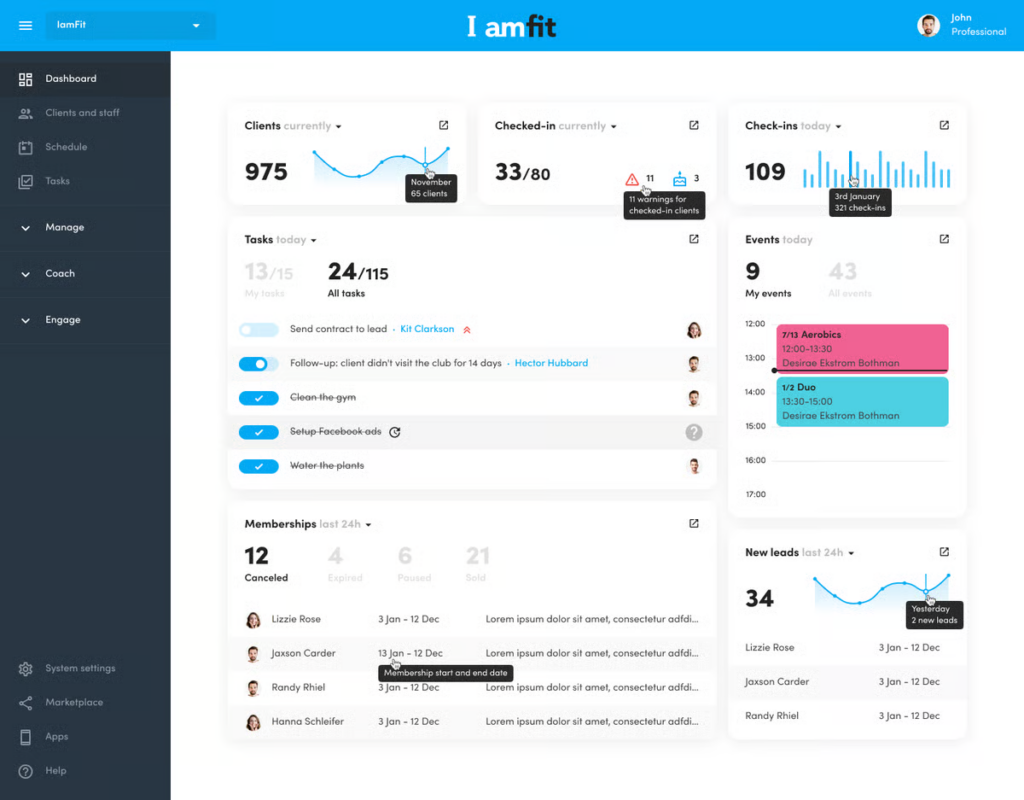
For more information about how our marketing tools can help grow your business, check out our Marketing Tools page.

Branded App & Targeted Push Notifications

Elevate your business’s customer engagement with EZFacility’s Branded Mobile App. Our customizable app allows you to showcase your brand while offering clients a seamless and convenient way to interact with your facility. From booking classes to managing memberships, your clients will have everything they need at their fingertips.

One of the latest enhancements to our branded app is the Targeted Push Notification Messaging feature. This powerful tool allows you to send personalised, real-time messages directly to specific groups of clients based on their preferences, behaviour, or membership status. Whether you’re promoting new classes, sending reminders, or alerting clients about upcoming offers, targeted push notifications ensure your messages reach the right audience at the right time.

How To’s

If you have a question, you might find what you are looking for in this section. Browse articles with answers to commonly asked questions including how to set up a brand, how to add social media links to the self service portal and how to integrate or navigate Zoom.

Online Videos

If you’re more of a visual learner, check out these online videos. And know that you aren’t alone! In fact, the majority of the population prefers visual learning to any other type. It’s easy to retain information when it’s in a video or on a diagram. After all, “seeing is believing.”

Sign-up for an upcoming webinar or view past webinars here. Also, follow us on Youtube.

Blog

Our blog is home to several tips and tricks related to the different industries currently utilizing EZFacility. It also contains more information about why it’s beneficial to use a facility management software system.

Partners

We only align ourselves with the best of the best. Find a list of other like minded businesses we partner with who have additional tools for you and your business.

More

If you have a question you were unable to find the answer to, try asking it on this page. Or please don’t hesitate to call us on the phone. 1.877.358.7774 – US, +44 (0) 203 3270480 – UK.

Is there something else you would like to see on this page of SaaS resources? If so, let us know. Your feedback is valuable to us.

Raising Fitness Membership Rates Blog

Your Guide to Raising Fitness Membership Rates

« Blog | Written by Kathryn Dressler | | (0) Comments

Navigating the delicate practice of increasing fitness membership rates can be as arduous as a long set of burpees—unless you have a clear guide and strategy at hand. Whether you’re a seasoned gym owner looking to optimize your revenue or a health entrepreneur strategizing on pricing models, this post will help you uncover the art and science of adjusting your fitness membership rates without losing your clientele or competitive edge.

Raising membership rates is more than just updating a number on a member’s payment plan—it’s an opportunity to redefine your gym’s value proposition, enhance the member experience, and ultimately, improve your business’s health. This post will cover essential areas from strategic timing to member involvement, so you can confidently steer your fitness facility towards sustainable growth and success.

The Importance of Raising Fitness Membership Rates

Raising membership rates is a strategic move for any fitness business seeking sustainability and growth. It’s essential for covering increased operating costs, investing in facility maintenance, and providing the latest fitness programs to remain competitive. 

It’s important to understand that adjusting prices isn’t just about increasing revenue–it’s also about ensuring the longevity and quality of your services. Investment in better equipment, skilled personnel, and additional amenities are all crucial factors that necessitate a price increase. These enhancements, funded by revised pricing, ultimately benefit members and elevate the gym’s value proposition.

Assess your current rates and learn when to pull the ‘pricing lever’, as we will explore in subsequent sections.

Evaluating Current Gym Membership Rates

The stepping stone to increasing prices is understanding where you stand. Take a deep-dive into your current rates and consider the following:

  • Are your rates reflective of the value you offer?
  • What percentage of the average disposable income do your rates represent?

Conduct a thorough SWOT analysis of your pricing to identify areas for improvement, and ensure your rates are competitive but also reflect the quality of your services.

Before making changes, it’s crucial to analyze your current pricing structure. Assess how long it has been since the last increase and whether your rates reflect the quality of services offered.

Comparing your rates to those of competitors and assessing the financial health of your business are key steps in this process.

Evaluating Market Trends and Competitor Pricing

Understanding the landscape of gym membership costs in your area is vital. It’s essential to gauge market trends and adjust accordingly to stay competitive. Aligning your price point with the perceived value received by members is the sweet spot you’re aiming for.

Understanding the landscape of the fitness industry, including consumer behaviors and competitor pricing, is paramount. This entails being aware of the ongoing fees others charge and the value they offer in return. Align your rates with the value provided while ensuring your pricing strategy is competitive and market-aware.

Only by gauging market trends and peer pricing can you make informed decisions about increasing your fitness membership rates without being overpriced or undervalued.

Communicating Value to Members

One of the crucial steps before adjusting rates is to communicate the value proposition clearly with your members. This not only reassures your existing clients but also sets the stage for the premium you aim to command.

Showcasing improvements and additions to services

Document the enhancements in your facilities, new equipment, revamped classes, and the skills of your trainers. Bundle these advancements as added value to your membership fees, laying the groundwork for a justifiable rate increase.

Members are more likely to accept a rate increase if they see tangible enhancements in their gym experience. Whether it’s renovating existing spaces, expanding class offerings, or incorporating cutting-edge fitness technology, showcasing these improvements is key to justifying rate changes.

Strategic Timing for Rate Changes

Timing is everything when it comes to rate increases. Identify the best times for price increases that align with the natural ebb and flow of gym memberships. Factors such as seasonality, significant milestones or anniversaries, and economic conditions should influence the timing decision.

Identifying optimal times for rate adjustments is crucial for minimizing disruption and member dissatisfaction. Announce changes well in advance to provide members with ample time to process the information and to reinforce the value these changes will bring. 

Remember, timing should also reflect the financial forecast and operational strategy for your gym.

Identifying optimal times for rate adjustments

Selecting the right moment to adjust membership prices is crucial for member retention and satisfaction. Analyze membership renewal cycles, facility usage patterns, and the timing of new service rollouts. 

Ideally, implement rate changes during a period of positive sentiment, such as following major improvements or at the start of a new year when members are motivated by resolutions.

Considering external factors like seasonality and economic conditions

When contemplating a price increase, it’s important to consider external elements that could influence member perception and financial flexibility. Seasonality can affect gym attendance. 

For instance, a price hike in January may be better received than during the summer when attendance typically dips. Similarly, a strong economic climate might make a rate adjustment more palatable to members as opposed to times of economic hardship.

Thoughtful timing and consideration of both internal strategies and external influences are paramount in successfully implementing membership rate adjustments that maintain gym patron satisfaction and business viability.

Member Feedback and Involvement

Gathering member feedback before implementing a price increase is a critical part of the decision-making process. This feedback helps to inform your strategy by providing insight into member value perceptions and potential resistance points, in addition to helping you understand which services and benefits members are willing to pay more for. 

By involving members in discussions about rate changes, gyms help foster a sense of community and co-creation, making members feel valued and heard. Clear communication regarding the reasons for a rate change, coupled with member input, can ultimately contribute to a smoother transition and increased member loyalty.

Open channels of communication, where feedback informs operational decisions, can result in a membership structure that reflects the true value members seek. Gyms that prioritize this collaborative approach are likely to foster greater loyalty and sustain a robust membership base despite the inevitability of rate changes.

Implementing Gradual Rate Increases

Implementing gradual rate increases can be an effective strategy for gyms to adjust their pricing without causing significant member upheaval. By phasing in the price increase over a predetermined period, members can acclimate to the change, reducing the risk of immediate cancellations. Gradual shifts are easier for members to digest compared to sudden hikes, leading to better retention.

The science behind gradual rate adjustments

Psychologically, gradual rate adjustments tap into the human propensity for loss aversion, where the pain of losing is psychologically twice as powerful as the pleasure of gaining. This principle suggests that sudden and substantial rate increases can trigger a strong negative response among gym members. 

By introducing small, incremental changes, gyms can align the perceived value with the cost, allowing members to adjust without feeling the immediate impact of the loss. Furthermore, this strategy can also be supported by prospect theory, which posits that people evaluate potential losses and gains in a certain situation, and adjust their behavior based on the potential for perceived benefits. 

By managing rate adjustments in a gradual manner, gyms can guide members through a gentle transition, maintaining satisfaction and mitigating the risk of losing members due to cost aversion.

Creating Special Membership Tiers

Special gym membership tiers can act as a strategic tool to accommodate varying customer needs and enhance perceived value. A tiered approach allows members to understand and see the value in enhanced gym offerings or facility upgrades that necessitate higher fees.

This model not only incentivizes upgrades as members’ engagement and investment in their fitness journey increases but also promotes a sense of community and belonging amongst those at higher tiers, further solidifying member loyalty.

Introducing premium memberships with added benefits

As the fitness industry evolves, the advent of premium memberships becomes a key differentiator for gyms aiming to offer exceptional value to their clientele. These memberships cater to the distinct needs of individuals who seek more than just the basics. 

They bring with them a suite of exclusive benefits that go beyond standard offerings—think access to cutting-edge fitness technology, personalized wellness programs, and luxury amenities. 

Ultimately, the implementation of tiered premium memberships is poised to elevate the fitness experience, paving the way for gyms to foster lasting relationships with members and secure a competitive edge in the wellness market.

Having a multi-tiered membership approach not only delivers personalized value to members at each level, but also serves as a strategic tool for health clubs to maximize both customer satisfaction and revenue growth.

Communicate Rate Changes Effectively to Members

Clear communication is vital when announcing rate changes. Provide ample notice and rationalize the need for an increase in a manner that underscores advancements in service quality and member experience.

Communicating rate changes to members requires a strategic and considerate approach to maintain trust and minimize dissatisfaction. Transparency is key—clearly explain why rates are changing, how the new pricing will bring additional value, and when the changes will take effect. 

Presence and readiness to address concerns, through Q&A sessions, feedback mechanisms, or one-on-one discussions, will demonstrate the commitment to member satisfaction and may help retain memberships despite the changes.

By approaching rate changes with a transparent, member-centric strategy, gyms can not only navigate the delicate process of adjusting prices but also reinforce the value proposition to their members, ensuring the community grows stronger, even as the business evolves.

Addressing Common Objections to Rate Increases

Prepare to address concerns and reassure members that the increases are a step towards enhancing their fitness experience and support for their goals.

It’s natural for some members to resist changes in pricing. Address these objections by being prepared with responses that spotlight the added value they receive and the investments made to improve their fitness environment.

It’s crucial to listen carefully to member concerns and respond with empathy. Prepare responses to common questions that provide clear, factual information and reiterate the added value that members will receive. 

For example, if a member is concerned about the cost, detail how the rate increase will support enhancements in gym facilities, access to more diverse class offerings, or investment in top-tier fitness equipment. 

Always ensure the conversation ends with members feeling heard and understood. If possible, create a feedback loop that allows for continual improvement based on member input, thus demonstrating that their opinions are not only heard but also valued and acted upon.

Utilize Member Management for Convenience

Leverage technology–for example, EZFacility’s gym member management software–can have a transformational impact on streamlining the rate change process by offering convenient billing management, automated notifications, and personalized member engagement—critical tools when updating pricing structures. 

By utilizing these technologies, gyms can ensure that all members are promptly and efficiently informed about rate adjustments while also providing them with the option to easily manage their memberships online. 

Additionally, software with built-in analytics can provide valuable insights into member engagement and retention rates, allowing gyms to make data-driven decisions when it comes to adjusting pricing structures in the future. 

investing in member management software not only simplifies the process of rate changes, but also enhances the overall experience for both members and staff. Adopting this digital approach minimizes confusion and administrative burden, allowing the gym staff to focus on what’s important—member satisfaction and the quality of service they provide.

Conclusion

Raising fitness membership rates can be a transformational step for your fitness business, enhancing services, strengthening your value proposition, and ensuring long-term sustainability. Remember: the goal is not just about raising rates–it’s about raising the bar on what you offer.

Aim for transparency and underscore each decision with the intention to elevate the member experience, and you’ll find an audience receptive to growth, both in their fitness journeys and in supporting the facilities that make those journeys possible.

By following the strategies outlined in this comprehensive guide, you can approach the delicate process with confidence and finesse, securing both your financial health and the loyalty of your members. 

Unlock the full potential of your fitness facility with EZFacility’s comprehensive management software designed to empower gym owners like you to seamlessly implement membership price increases without jeopardizing member satisfaction. Try EZFacility for free.

Frozen Finances Blog

Frozen Finances: Strategies for Boosting Ice Rink Profit Margins

« Blog | Written by Kathryn Dressler | | (0) Comments

Running an ice rink can be a rewarding venture, but like any business, it comes with its own set of financial challenges. Understanding and optimizing your ice rink profit margins is crucial for maintaining a successful operation. 

While managing the day-to-day operations of an ice rink can be complex, honing in on key areas of improvement can make a significant difference in profitability. From diversifying revenue streams to optimizing operational efficiency, there are several actionable steps that can help boost your bottom line. By implementing these strategies, not only can you enhance customer satisfaction and engagement, but you can also create a sustainable business model that thrives in a competitive market.

To increase the profitability of your ice rink, a multi-faceted approach is necessary. Each strategy should be focused on leveraging diverse opportunities within the ice rink business while promoting customer satisfaction and long-term sustainability. By integrating these practices into your business model, you can create a more resilient and financially robust operation.

In this blog, we’ll explore strategies that ice rink owners and managers can use to enhance their profit margins and ensure the longevity of their businesses.

Assessing Operational Efficiency

Evaluating the operational efficiency of your ice rink is the first step toward boosting your profit margins. This involves analyzing all aspects of the business, from energy consumption and maintenance costs to staff productivity and scheduling. By identifying areas where resources are being underutilized or wasted, you can implement targeted strategies to streamline operations and reduce expenses. 

Improving operational efficiency is crucial for maximizing profits and ensuring the long-term success of your ice rink. To enhance efficiency, consider implementing strategies such as optimizing energy usage, improving maintenance procedures, enhancing staff productivity through training, and creating efficient scheduling systems. These measures can help streamline operations, cut costs, and ultimately contribute to a more profitable and sustainable ice rink business model.

In this section, we’ll delve into practical methods for assessing operational efficiency and making data-driven decisions to optimize your ice rink’s performance.

Streamlining Day-to-Day Operations for Cost-Effectiveness

The first step in maximizing your ice rink’s profit margin is to scrutinize your daily operations. Look for redundant processes that can be eliminated or automated. Simple changes, such as optimizing staff schedules or upgrading to more efficient office management software, can save both time and money.

Implementing Energy-Efficient Practices for Reduced Utility Expenses

Ice rinks consume a significant amount of energy, primarily due to refrigeration and lighting. Implementing energy-efficient practices can lead to substantial cost savings. Consider installing LED lights and energy-efficient refrigeration systems. Additionally, regular maintenance of these systems can prevent costly repairs and inefficiencies.

Utilizing Technology to Enhance Operational Efficiency

From booking systems to automated maintenance alerts, technology can significantly streamline operations. Implementing modern registration and scheduling systems like EZFacility can simplify the booking process for skating sessions and events, reduce administrative workload, and improve the overall customer experience.

By adopting these strategies, your ice rink can achieve greater operational efficiency and cost-effectiveness. This ultimately enhances both profitability and customer satisfaction.

Revenue Diversification

In an industry as competitive as ice rink management, diversifying revenue streams is essential to ensure financial stability and growth. By exploring new avenues for income, ice rinks can not only mitigate risks associated with fluctuating demand but also tap into emerging opportunities that align with their operational strengths. 

This section will explore various strategies to diversify revenue. Leading you to maximize your rink’s profitability while enhancing customer satisfaction and engagement.

Hosting Events

Diversifying your revenue streams is a key strategy for increasing your ice rink’s profitability. Hosting events such as ice hockey tournaments, figure skating competitions, and themed public skating nights can attract new customers and generate additional income. Consider offering packages that include skate rentals and concessions to maximize revenue per event. You can also partner with local businesses to sponsor events and increase exposure for both parties.

Catering Services

Another way to diversify your revenue is by offering catering services at your ice rink. This could include hosting private parties, corporate events, or even weddings on the ice. With a unique setting and fun activities like skating, your rink could become a sought-after venue for special occasions. Make sure to have a variety of food options available to cater to different preferences and dietary restrictions.

Advertising Opportunities

Utilize your ice rink’s prime location and high foot traffic to sell advertising space. Local businesses looking to reach a large audience can purchase banner ads around the rink or sponsor specific areas. Some area suggestions include concession stands, locker rooms, player benches, or scoreboards. This gives sponsors prime visibility to attendees throughout the facility. These sponsorships not only enhance brand exposure but also create a lasting impression on regular visitors and event attendees

Creating Partnerships

Forming partnerships with local schools, sports teams, and community organizations can provide a steady stream of visitors to your rink. Offer special rates or exclusive hours for these groups to encourage recurring business. Collaborating with local businesses for sponsorships and advertising can also provide additional revenue and community support.

By implementing these revenue diversification strategies, your ice rink can achieve sustained financial success and become a vibrant hub for community engagement.

Cost Management and Vendor Negotiations

Cost management is a crucial component of successful ice rink operations, as it directly impacts the facility’s financial health and sustainability. By effectively managing costs and negotiating favorable terms with vendors, rink operators can maximize their resources, reduce unnecessary expenses, and improve overall profitability. This section will delve into various strategies for controlling operating costs, optimizing vendor relationships, and maintaining a balance between quality and affordability.

Negotiating Favorable Terms with Suppliers and Vendors

Effective vendor negotiations can lead to significant cost savings. Establish long-term relationships with suppliers to negotiate bulk pricing or discounts. Always be on the lookout for alternative vendors who may offer better rates or superior products.

Additionally, be transparent about your budget constraints and be willing to negotiate for better terms or pricing. It’s also essential to review contracts regularly to ensure the terms remain favorable and adjust as necessary.

Implementing Cost-Cutting Measures without Compromising Quality

While cutting costs is essential, it’s important not to compromise the quality of your services. Focus on areas where you can reduce expenses without sacrificing the customer experience, such as office supplies, utility costs, and non-essential services. Implementing a lean approach to inventory management can also help minimize waste and reduce costs.

Technology can also play a crucial role in controlling operating costs. Consider investing in energy-efficient equipment or automating manual processes to reduce labor costs. Digital solutions can also streamline operations and improve efficiency, leading to cost savings in the long run.

Regularly Reviewing and Optimizing Procurement Processes

Regularly reviewing your procurement processes ensures that you’re getting the best value for your money. Conduct periodic audits of your expenses and compare them against industry benchmarks. This will help you identify areas for improvement and opportunities to renegotiate contracts or switch suppliers.

By continually assessing and refining these strategies, you can sustain financial health while providing an exceptional experience for your customers.

Remember, cost-cutting measures should not compromise the quality of your products or services. It’s crucial to strike a balance between reducing expenses and maintaining high standards to ensure long-term success for your business.  

So, regularly review and optimize your procurement processes to ensure you’re getting the best value for your money while providing top-notch services to your customers.

Employee Training and Productivity

Employee training and productivity are essential components of a successful business operation. By investing in comprehensive training programs, employers can equip their staff with the necessary skills and knowledge to perform their roles efficiently and effectively. Enhanced productivity not only improves service quality but also contributes to a positive work environment and increased job satisfaction. 

This section will explore various approaches to employee training, the benefits of ongoing professional development, and strategies for measuring and enhancing productivity levels within your organization.

Investing in Staff Training to Enhance Customer Service

Well-trained staff can make a significant difference in customer satisfaction and retention. Invest in regular training programs to ensure that your employees are knowledgeable, friendly, and efficient. Exceptional customer service can lead to repeat business and positive word-of-mouth, both of which are invaluable for your rink’s profitability.

Improving Employee Productivity for Optimal Resource Utilization

Encourage a culture of productivity by setting clear expectations and providing the necessary tools and resources for your employees to perform their tasks efficiently. Implement performance metrics and reward systems to motivate your staff and ensure they are contributing to the rink’s success.

Technology Integration for Efficiency

In today’s fast-paced business environment, the integration of technology has become a crucial factor in achieving operational efficiency. By adopting modern technological solutions, rinks can enhance various aspects of their operations, from booking and scheduling to maintenance and customer service. 

This section will delve into the benefits of incorporating technology into your rink’s daily activities, including the use of automated systems, advanced analytics, and digital communication tools. Through effective technology integration, your rink can not only improve its overall efficiency but also provide a superior experience for both employees and customers.

Implementing Modern Registration Systems

Modern registration systems can streamline the booking process, reduce administrative workload, and enhance the customer experience. Platforms like EZFacility offer comprehensive solutions for managing registrations, scheduling, and customer data, allowing you to focus on other critical aspects of your business.

Utilizing Data Analytics for Informed Decision-Making

Data analytics can provide valuable insights into customer behavior, operational efficiency, and financial performance. Leverage data analytics tools to monitor key performance indicators (KPIs), identify trends, and make informed decisions that can boost your profit margins. Understanding patterns in skate rentals, popular skating sessions, and overall ice rink usage can help you optimize your offerings and pricing strategies.
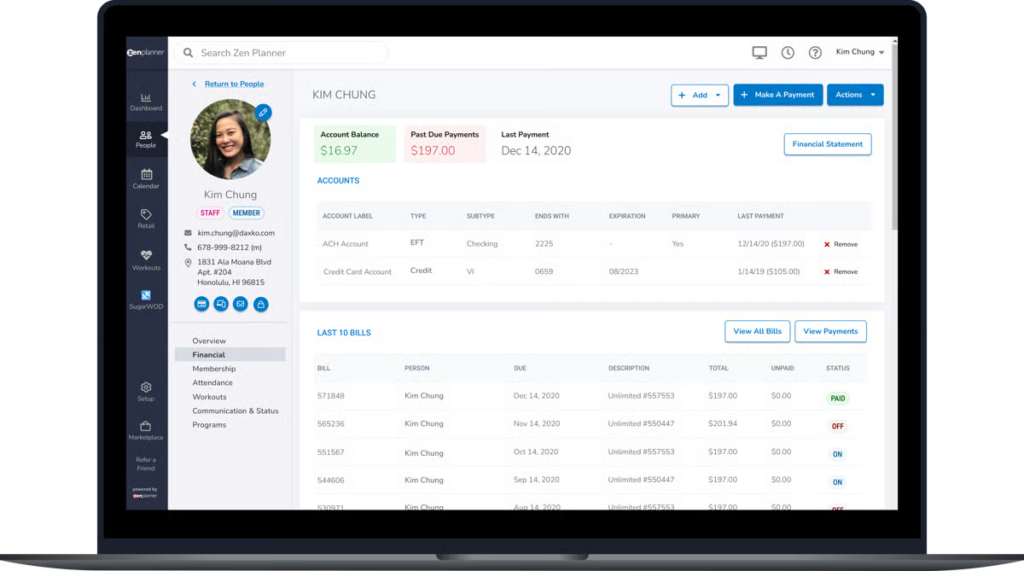
Incorporating these technological advancements will not only drive operational improvements but also elevate the overall customer experience, positioning your rink for continued success in a competitive market.

Financial Monitoring and Reporting

Efficient financial monitoring and reporting are essential components of managing a successful ice rink. Keeping accurate and detailed financial records not only ensures compliance with regulatory requirements but also provides a clear picture of your rink’s financial health. By implementing robust financial monitoring systems, you can track income, expenses, and cash flow with precision, which is crucial for making strategic decisions. 

This section will explore the importance of financial oversight and provide best practices for maintaining comprehensive financial reports that can aid in securing funding, managing budgets, and achieving long-term financial stability.

Establishing Regular Financial Monitoring Practices

Consistent financial monitoring is essential for maintaining a healthy profit margin. Establish regular practices for reviewing income statements, balance sheets, and cash flow statements. This will help you identify any financial issues early and take corrective action promptly.

Generating Comprehensive Financial Reports for Informed Decision-Making

Comprehensive financial reports provide a clear picture of your rink’s financial health and help you make informed decisions. Utilize accounting software to generate detailed reports on revenue, expenses, and profit margins. These reports can guide strategic planning and highlight areas where you can improve efficiency and profitability.

By maintaining diligent financial oversight and leveraging comprehensive reports, you can ensure the sustained success and profitability of your ice rink.

By adhering to these financial monitoring practices and generating detailed reports, you can confidently navigate the financial aspects of your ice rink, ensuring both its immediate and long-term success.

Conclusion

Boosting ice rink profit margins involves a combination of operational efficiency, revenue diversification, effective cost management, employee productivity, and technology integration. By assessing and optimizing each of these areas, you can create a more profitable and sustainable business.

Remember, small changes can lead to significant improvements over time. Start implementing these strategies today and watch your rink’s profitability soar.

Try EZFacility for free and experience firsthand how our comprehensive management software can boost your ice rink’s profitability through efficiency, revenue diversification, cost management, tech integration, and more.

EZFacility Introduces New, Unlimited Email Feature

EZFacility Introduces New, Unlimited Email Feature

« Blog | Written by Stefano Tromba | | (0) Comments

For anyone managing a fitness center, a sports team, or any other organization, your ability to connect with clients, members, or employees can make all the difference. That’s why EZFacility is excited to unveil our latest breakthrough: an integrated email feature that revolutionizes the way you handle communication. Say goodbye to restrictive email sending limits and multiple lists to upload, and say hello to an era of effortless, intelligent emailing.

Explore the Game-Changing Benefits of EZFacility’s New Email Platform

With this revolutionary new email platform, we’re making it easier than ever to stay connected with your clients, members, and staff. Below, you’ll find the key benefits that set EZFacility’s email feature apart, designed to enhance your communication strategy and streamline your operations. Whether you’re looking to expand your reach with unlimited emails, leverage AI-powered tools for smarter content creation, or seamlessly integrate your communication efforts with existing systems, EZFacility’s latest innovation has you covered.

Unlimited Email Access: No Strings Attached 

One of the biggest perks of our integrated email campaigns feature is unlimited email. Traditional email systems often come with constraints—whether it’s a sending cap on the number of emails you can send per day, restrictions on the size of your contact lists, or both. With EZFacility’s latest innovation, those limitations are removed. You can now send and receive as many emails as you need, without worrying about hitting any caps or dealing with complex list management. 

AI-Powered Email Management  

EZFacility has integrated advanced AI tools to help craft and design emails faster than ever. Use our AI library of images to design and our AI writing assistant to help draft copy. These tools are all designed to make creating, sending, and managing your emails as simple and hassle-free as possible. 

Intelligent Content Creation: 

The AI-driven content creation tool helps you draft professional and engaging emails quickly. Whether you’re crafting a promotional message, a newsletter, or a personalized update, the AI can assist with suggestions, grammar checks, and even style adjustments to ensure your message is impactful. 

Enhanced Personalization: 

Personalized communication drives better engagement. EZFacility’s email feature leverages AI to help you tailor your messages to individual recipients. By analyzing recipient behavior and preferences, the AI suggests ways to personalize your content, making each email more relevant and engaging. 

Smart Automation: 

Save time and reduce manual work with smart automation features. You can set up automated responses, schedule emails, and even trigger specific email sequences based on user actions or dates. The AI analyzes your communication patterns and helps streamline these processes, ensuring that you stay connected without the need for constant manual input. 

Real-Time Analytics: 

Understanding the effectiveness of your emails is key to refining your communication strategy. The integrated analytics tools provide real-time insights into open rates, click-through rates, and other important metrics. With this data at your fingertips, you can make informed decisions to optimize your email campaigns and enhance your outreach. 

Seamless Integration with Your Existing Systems 

EZFacility’s new email feature is fully integrated with your existing EZFacility account. This means you can manage your emails directly alongside your other operational tasks, from membership management to facility scheduling, marketing of course and much more. The integration ensures that all your communication efforts are streamlined and aligned with your facility’s goals. 

Conclusion

The launch of our advanced email feature marks a significant step forward in making communication more efficient and effective for our users. “We’ve tremendously enhanced our communications offering thorough this innovative email platform, and our recent push notifications release”, said EZFacility President, Miranda Pruitt. “We’ve empowered facility owners to focus on building relationships, and growing their business, which is EZFacility’s ultimate goal.” 

Ready to experience a new level of email communication? Discover how EZFacility’s latest feature can transform your approach to emailing and elevate your operational efficiency and book a free demo today. Already an EZFacility user? Reach out to our Account Management team at am@ezfacility.com. Say goodbye to limitations and hello to unlimited possibilities with EZFacility! 

Feel free to share your thoughts or reach out with any questions about this exciting new feature. We’re here to help you make the most of your EZFacility experience! 

EZF Blog: Pickleball Business Guide

Pickleball Business Plan: How to Cash in on America’s Fastest Growing Sport

« Blog | Written by Kathryn Dressler | | (10) Comments

Pickleball, a sport that combines elements of tennis, badminton, and ping pong, has taken America by storm in recent years. With its rapid growth in popularity, starting a pickleball business can be a lucrative venture. 

In this blog post, we will provide a comprehensive outline for creating a successful pickleball business plan, covering various aspects from understanding the demand for pickleball courts to marketing strategies and financial projections.

Demand for Pickleball Courts

Pickleball is a sport that appeals to people of all ages and skill levels, making it a popular choice for recreation and competitive play. 

And because it appeals to such a wide audience, the demand for courts has outpaced supply in many areas, presenting a great opportunity for entrepreneurs looking to capitalize on this trend. 

As a standalone business or an additional revenue stream at an existing facility, offering pickleball facilities can attract a growing community of players and enthusiasts.

Pickleball as a standalone business vs. revenue stream at an existing facility 

Another key consideration for developing your business plan is to determine whether you’ll offer pickleball as a standalone business, or as an added revenue stream at an existing facility.

Each option has its own advantages and considerations, and in this blog post, we will explore the factors you should evaluate when making this crucial decision.

Business Description

Your pickleball business plan should include detailed descriptions of the target market, location, and facility size. Understanding these elements will enable you to create a facility that attracts pickleball players and meets their needs.

Target Market

Identifying your target market is crucial for effective marketing and tailoring your services to meet specific needs. To ensure you attract and retain customers, you need to fully understand your target audience, including demographics, interests, and preferences, 

Location

Choosing the right location for your pickleball business is critical. Key factors to consider include accessibility, proximity to potential customers, and local competition. Additionally, understanding zoning and permit requirements is essential to avoid any legal hurdles.

Facility Size and Description

Determining the optimal size and layout of your pickleball facility is an important aspect of your business plan. There are many components to consider, such as the number of courts, spectator seating, amenities, and other facilities that can enhance the overall customer experience.

Defining your business model, mission statement, and unique selling proposition (USP) are also vital steps in establishing your brand identity and differentiating yourself from competitors.

Revenue Streams for Pickleball Businesses

To ensure the financial viability of your pickleball business, it’s essential to establish multiple revenue streams and to outline those in your business plan. 

Below are a few examples of income sources commonly utilized by successful pickleball businesses that you should consider:

Membership Fees

Membership fees provide a stable income stream while fostering a sense of community among players. You may want to consider tailored membership plans to attract a larger audience in order to provide a steady income stream and cultivate a loyal customer base. 

Court Rentals

Renting out your pickleball courts to individuals and groups, or for open plays, leagues, and private events can all generate lucrative revenue streams.

Tournaments

Organizing and hosting pickleball tournaments can attract players from near and far, providing an opportunity for increased revenue through entry fees, sponsorship deals, and merchandise sales. 

Lessons

Offering pickleball lessons is an excellent way to generate income while helping players improve their skills–and it’s a valuable service that appeals to players of all skill levels.

Merchandise/Concessions

Selling pickleball equipment, apparel, and refreshments can boost your revenue. Incorporating a pro shop and providing food and beverage options are also ways to enhance the overall experience for players.  

Pickleball Club Operations

An operations plan is a vital component of your pickleball business plan. It ensures clear workflows, effective resource allocation, staff training, customer service standards, health and safety considerations, business continuity, and performance monitoring. 

Deciding on staff, utilizing technology, and establishing rules and regulations are critical components of a pickleball business plan for the following reasons:

Staff

Selecting the right staff is crucial for the success of a pickleball business. Staff members, such as instructors, court monitors, and customer service representatives, directly impact the overall customer experience. 

By carefully choosing qualified and passionate individuals, you can ensure the delivery of exceptional services and create a positive environment for players. Additionally, a well-trained and motivated staff contributes to customer satisfaction, loyalty, and positive word-of-mouth.

Technology

Utilizing software for pickleball facilities will help you streamline operations like court scheduling, online bookings, customer management, and financial transactions. It also enhances efficiency, reduces manual errors, and provides valuable data insights for making informed decisions. 

By embracing technology, pickleball businesses can stay competitive, improve customer experience, and optimize their operations.

Rules and Regulations

Establishing clear rules and regulations is critical for the smooth operation of a pickleball business. These guidelines ensure fair play, safety, and the overall enjoyment of the sport for all participants. 

By defining rules for court usage, equipment maintenance, player conduct, and safety protocols, you create a professional and well-organized environment. 

Clear rules also help mitigate risks, minimize conflicts, and provide a framework for resolving disputes. 

Marketing Strategy

A marketing plan is essential for your pickleball business plan as it enables you to target the right audience, build brand awareness, promote offerings, acquire and retain customers, gain a competitive advantage, measure performance, and adapt to market changes. 

It plays a pivotal role in attracting customers, driving business growth, and establishing your pickleball business as a preferred choice among consumers. Implementing a robust marketing strategy will help you attract pickleball players to your facility. 

For additional inspiration, consider exploring strategies used to market tennis clubs, which can offer valuable insights adaptable to pickleball promotion.

Financial Projections

Developing a solid financial plan is essential for the long-term success of your pickleball business. 

Your business plan should include a financial plan where you outline projected startup costs, including facility construction or renovation, equipment purchases, and initial marketing expenses. 

Additionally, you’ll want to estimate ongoing operating costs such as utilities, maintenance, staff salaries, and marketing campaigns.

Examples of startup costs vs operating costs:

  1. Startup Costs: Initial expenses, such as facility setup, equipment purchase, permits, and marketing
  2. Operating Costs: Ongoing expenses, including rent/mortgage, utilities, maintenance, staffing, and marketing

Risk Assessment 

Your pickleball business plan should also include a section about risk assessment where you identify potential risks that could impact your pickleball business. By understanding these risks, you can develop contingency plans to mitigate their impact.

Some potential risks specific to the pickleball industry include changes in local regulations, changing market conditions, legal and regulatory challenges, competition, economic downturns, or unforeseen events like natural disasters. 

Creating Your Own Pickleball Business Plan

To guide your pickleball venture, it’s crucial to create a comprehensive business plan. This plan should encompass all the aforementioned elements, including market research, financial projections, marketing strategies, and risk assessments. 

A well-crafted business plan will serve as a roadmap for success and help you secure funding if needed.

Conclusion

As pickleball continues its remarkable growth, establishing a pickleball business presents an enticing opportunity. 

By understanding the demand, targeting the right market, offering diverse revenue streams, implementing effective operations, and executing a robust marketing strategy, you can position your business for long-term success in this flourishing industry. 
To learn how EZFacility can help you centralize the management of your pickleball facility and its rentals, leagues, registration, events, invoicing, and more–click here to schedule a free trial and personalized product demonstration.

EZF Blog: Guide to Fitness Business Reporting

Unlocking Success: A Comprehensive Guide to Fitness Business Reporting

« Blog | Written by Kathryn Dressler | | (0) Comments

The importance of reporting in the fitness industry cannot be overstated. In an era where data is king, having a well-oiled reporting mechanism allows fitness businesses to stay ahead in a competitive market. 

A robust reporting framework is the backbone of any successful fitness enterprise. Fitness business reporting arms owners and managers with the information they need to make data-driven decisions, optimize operations, and enhance the overall customer experience. 

It’s not just about collecting data but transforming it into actionable insights. This can lead to improved business strategies, personalized customer experiences, and ultimately, business growth. 

In this complete guide, we venture deep into the world of fitness business reporting, showcasing its pivotal role and equipping you with the knowledge to harness its power for maximum success.

This guide aims to demystify the process of creating effective fitness business reports, from what metrics to track to how to analyze and use this data to drive decisions and foster a thriving fitness business ecosystem.

Importance of Fitness Business Reporting

Fitness business reporting is essential for the long-term success and growth of any fitness business. It provides insights into key performance indicators, highlights areas for improvement, and helps identify opportunities for growth. With accurate and timely reporting, fitness businesses can make informed decisions to drive profitability and efficiency.

Additionally, effective reporting allows fitness businesses to stay ahead of the competition by tracking industry trends and adapting their strategies accordingly. It also helps in monitoring member satisfaction, which is crucial for retention and overall business success.

In the fast-paced and fiercely competitive fitness industry, the ability to decipher complex data and translate it into actionable insights is a game-changer. 

Here are a few examples of how reporting tools can provide a clear view of business performance, customer behavior, and operational efficiency, guiding strategic direction and fueling growth:

Strategic Insights from Data

Understanding how reporting can empower fitness business owners involves recognizing the potential of data to steer the business in the right direction. Metrics such as conversion rates, average revenue per member, and class attendance patterns can inform key business strategies.
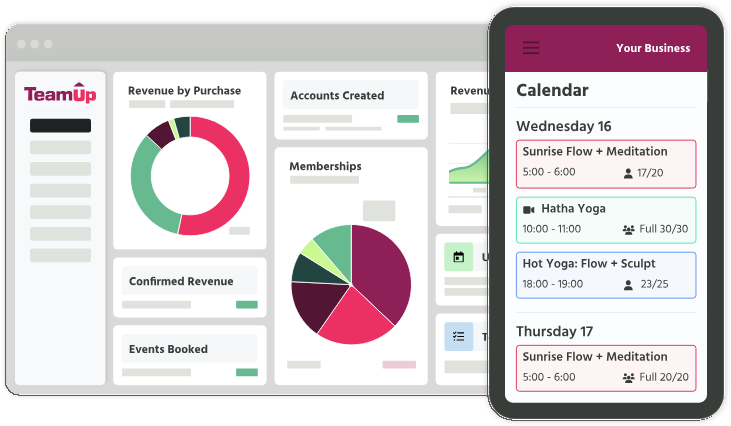
Operational Excellence Through Reporting

Operational efficiency is a constant aspiration for business owners. In the fitness world, streamlined operations mean smoother classes, happier members, and ultimately, higher retention rates. Day-to-day business can be optimized through regular analysis and adjustment of reports.

Enriched Member Experience

Personalization is the hallmark of an exceptional member experience. Fitness business reporting can provide a wealth of information about your clientele, allowing for tailored services and classes that resonate with their specific needs and preferences.

Using the insights gained from fitness business reporting can significantly enhance strategic planning, streamline operations, and cultivate a personalized and satisfying customer experience.

Key Reports for Fitness Business Owners

Reports are not merely a window into the past; they forecast the future and chart paths for sustainable growth. Here are some key reports that fitness business owners cannot afford to overlook.

Membership and Attendance Reports

These reports are your compass for member trends and class popularity. By tracking and analyzing membership growth and class attendance on a regular basis, you can adjust schedules, staff allocation, and even class content to maximize engagement.

Financial Reports

Financial acumen is crucial for sustained success. Creating financial reports helps clearly illustrate revenue streams, profitability of services, and budget adherence. This enables smart decisions that underpin business health.

Staff Performance Reports

Your team is at the heart of your service delivery. By regularly assessing staff performance through reporting, you can incentivize and optimize the workforce, ensuring that every team member is contributing effectively to business goals.

Leveraging these essential reports empowers fitness business owners to make informed decisions, fostering an environment where members thrive, financial health is secured, and staff engagement is maximized, paving the way for enduring success.

Achieving Effective Reporting

While the importance of reporting is evident, the real challenge lies in executing effective reporting practices. Here are some strategies to ensure your reporting is not only comprehensive but actionable.

Utilizing Technology for Seamless Reporting

The right technology can transform the reporting process from a cumbersome task to a seamless operation. Gym management software, like that provided by EZFacility, offers customizable and automated reporting tools that save time and resources.

Educating Staff on Reporting Practices

Your team should not be sidelined in the reporting process. Staff involvement in data collection and understanding the reporting metrics is a key aspect of fostering a data-driven culture within your fitness business.

By harnessing advanced technology and cultivating a knowledgeable team committed to data-driven practices, fitness businesses can achieve effective reporting that significantly enhances operational efficiency and promotes sustainable growth.

Leveraging Cutting-Edge Technology for Streamlined Operations

The digital age has revolutionized the way businesses function, and the fitness industry is no exception. From intuitive software solutions to data analytics tools, technology is a driving force behind the optimization of fitness business operations.

EZFacility’s Gym Management Software, for example, provides fitness business owners with a suite of powerful reporting tools designed to structure and simplify the reporting process. With customizable dashboards and automated report generation, owners can focus on the business at hand. They can be confident that their reporting is accurate and up-to-date.

Maximizing Efficiency with Customized Reports

Customized reports cater to the unique needs of your fitness business. By fine-tuning the data points you monitor, you can gain insights that are directly applicable to your business objectives and member preferences.

From peak class times to member retention rates, customized reports can significantly improve your decision-making and operational efficiency. When leveraged effectively, they enable you to make informed adjustments in real time. This ensures you’re consistently delivering a service that meets both your business and your members’ needs.

Data-Driven Decisions for Future Success

Decisions rooted in data are inherently more secure and have a higher probability of success. Instead of relying on gut feelings and assumptions, use reports to guide your direction. When this action is taken, you can uncover opportunities for innovation in the process.

The evolution of the fitness industry demands a dynamic approach to business management. Reporting is a foundational element in this new paradigm. Stay committed to cultivating a reporting culture in your fitness business. You’ll see your operations grow leaner, your customer base become more loyal, and your revenue reflect your data-informed decisions.

Conclusion

The backbone of a thriving fitness business lies in its adeptness at collecting and analyzing data through effective reporting. From monitoring member trends to making informed financial decisions, the insights garnered through comprehensive reports are invaluable. 

By leveraging technology and promoting a culture of data literacy among staff, fitness establishments can streamline their operations. This approach ensures their offerings are aligned with member needs and their financial health is secured.

Ultimately, it is through meticulous and actionable reporting that fitness businesses can thrive. It can enhance service delivery, encourage member retention, and pave the path towards long-term success.

Explore how EZFacility can transform the data insights and operational efficiency of your fitness business. Request a free trial today and harness the power of informed decision-making.

Sports Facility Marketing

Best Sports Facility Marketing Ideas to Try in 2024

« Blog | Written by Kira Razavian | | (0) Comments

As a sports facility owner, promoting your sports facility and effectively marketing it to potential customers is crucial for building brand awareness and driving business growth. 

To achieve this, you need to have a marketing plan that targets your desired audience and uses various marketing strategies to reach them. This article will provide you with some of the best sports facility marketing ideas to help you promote your sports complex effectively.

Key Elements of Your Sports Complex’s Marketing Plan

Before diving into the best sports facility marketing ideas, let’s establish the key elements of your sports complex’s marketing plan. This includes identifying your target audience, selecting the most effective marketing methods, and determining your budget and available resources.

Target Audience

Getting to know your target audience is essential for creating an effective sports facility marketing plan. Knowing the demographics, interests, and needs of your potential customers will help you tailor your marketing efforts to their preferences. Your target audience may include athletes, fitness enthusiasts, families, or other groups depending on the type of sports facility you have.

Understanding your target audience will also help you build or refine your brand identity. Your brand identity should include a logo, brand colors, messaging, and tone of voice that aligns with your target audience. By consistently communicating your brand identity across all marketing channels, you can build trust with your customers and create a sense of brand loyalty.

Marketing Methods

Once you have identified your target audience, the next step is to select the most effective marketing methods to reach them. Some of the most effective marketing methods for sports facilities include online marketing, partnerships with schools and community organizations, referral programs, social media, and offline marketing methods.

Make sure you’re also setting clear goals for each marketing method you choose. Some examples of marketing goals for a sports facility include increasing website traffic, generating more leads, improving customer retention rates, and boosting revenue. By setting clear goals, you can track your progress and make adjustments to your sports marketing plan as needed.

Budget & Resources

Creating a marketing plan also involves determining your budget and available resources. You should allocate a reasonable budget to your marketing efforts, depending on the size and goals of your sports complex. This includes investing in facility management software, marketing materials, and any other resources needed to execute your marketing tactics effectively.

You’ll also want to consider your marketing team. Depending on the size and scope of your sports facility, your marketing team may include a marketing manager, social media specialist, graphic designer, and copywriter. By clearly defining roles and responsibilities, you can ensure that everyone on your team is working towards your marketing goals and achieving the desired outcomes.

9 Essential Marketing Ideas for Your Sports Facility 

From creating a modern website to hosting sporting events and leveraging social media platforms, these ideas are designed to help you reach your target audience and make a lasting impression. By incorporating these marketing ideas into your overall strategy, you can stay ahead of the competition and establish your sports facility as a go-to destination for athletes, fitness enthusiasts, and families in your local community.

Modern, up-to-date website

Your website should be easy to navigate, visually appealing, and provide all necessary information about your sports complex. Consider using professional photography and videos to showcase your facility and the services you offer. Also, make sure your website is mobile-friendly, as more and more people access websites from their mobile devices.

Online booking & registration

Online booking and registration systems such as EZFacility are essential components of a sports facility management software that effectively markets your sports complex. These systems make it easier for customers to book and pay for classes and services, making the process more convenient for them. Also, consider offering incentives such as discounts to customers who book online.

Sporting events

Organizing sporting events is an excellent way to promote your sports facility. Consider hosting tournaments or leagues that showcase the talents of local athletes. These events can attract sports fans and potential customers to your facility, giving them a chance to see what you have to offer. Ensure your staff is well-trained and your facility is equipped to handle such events.

Partnerships with schools and community organizations

Partnering with schools and community organizations is an excellent way to promote your sports complex. Reach out to local schools and offer discounts on classes and services to their students. You can also partner with local non-profit organizations to sponsor their events, and in return, they can help you promote your facility to their members.

Referral program for players & parents

A referral program can be a powerful tool for promoting your sports facility. Encourage your existing players and their parents to refer their friends and family to your facility by offering them discounts or other incentives. This will not only attract potential customers to your facility but also help you retain your current ones.

Social media

Social media platforms provide an excellent opportunity for sports facility marketing and can be more wide-reaching than an email campaign. Create social media accounts for your facility and regularly post updates about your services, upcoming sports events, and promotions. Consider running paid advertising campaigns to reach potential customers in your local community.

Videos of sports techniques & training

Create videos that showcase sports techniques and training sessions. These videos can be shared on social media platforms, your website, and even on local news outlets. This will help potential customers see what your facility has to offer and the quality of your training programs.

PR through local news & radio

Reach out to local news outlets and radio stations to promote your sports facility. Offer them exclusive access to your sporting events or provide them with expert opinions on current sports-related topics. This will help build your brand awareness and establish your facility as an expert in the sports industry.

Offline marketing methods (print, billboards, posters, mailings)

Don’t overlook the effectiveness of printed materials such as flyers, posters, and mailings. These methods can be targeted to potential customers in your local community, and they can be very effective in generating interest in your facility. Consider placing billboards in high-traffic areas or sponsoring local events to reach a wider audience.

Measure success to optimize your sports academy’s marketing

Lastly, it’s essential to measure the success of your marketing efforts regularly. Keep track of the metrics that matter most to your facility, such as the number of new customers, retention rates, and revenue generated. Analyze this data and adjust your marketing plan accordingly to ensure your sports facility is always effectively marketing itself to potential customers.

Encouraging customer feedback is also crucial in understanding how well your sports academy is performing. You can gather feedback through surveys, focus groups, or social media polls. Use this feedback to improve your services and programs. This data will help you improve both your business and the way you market it. 

For example, say you get some negative feedback about a lack of music at your facility. If you add music, you’re both improving the atmosphere for your customers and creating a new feature to highlight in your next marketing campaign. 

In conclusion, marketing a sports academy requires a mix of online and offline strategies. By using the ideas mentioned above, you can create a comprehensive marketing plan that effectively reaches your target audience and helps you achieve your business goals. Remember to track your marketing efforts’ performance regularly and adjust your strategy accordingly to ensure success.
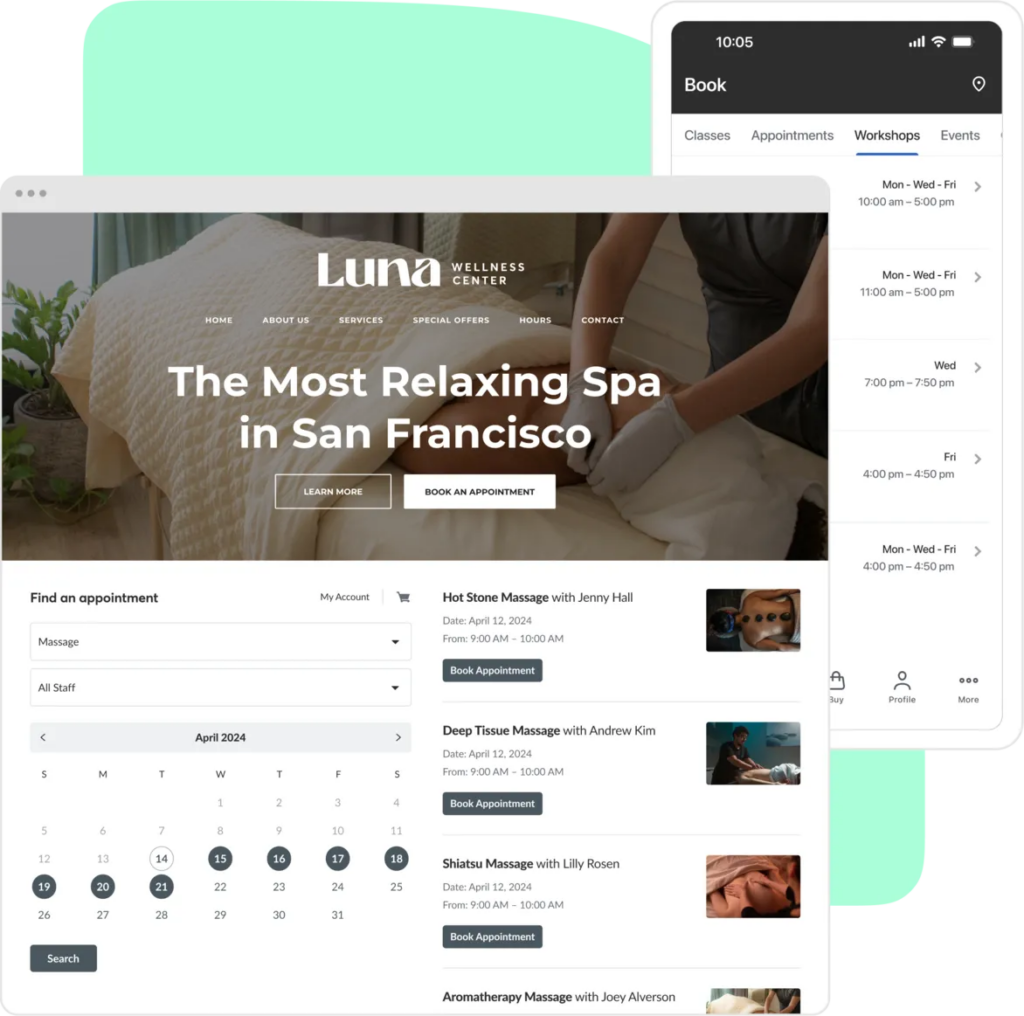
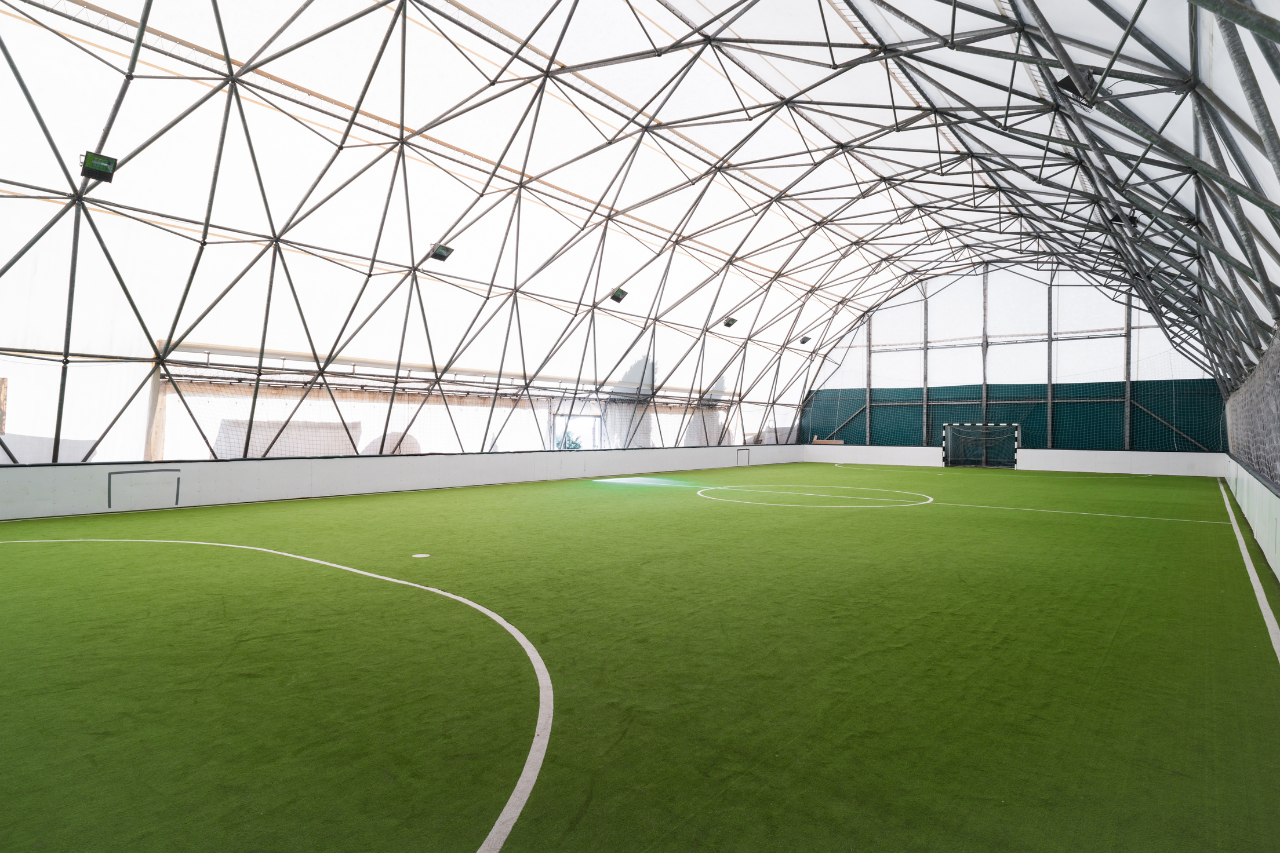

Ready to make your business run even smoother? Try EZFacility for free.